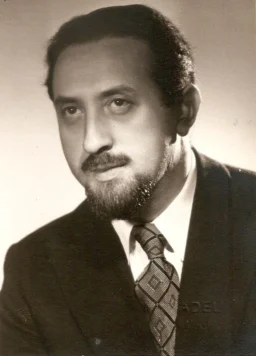

Eliezer Berkovits

Rabbi Eliezer Berkovits (1908–1992)

Rabbi Eliezer Berkovits was an Orthodox rabbi, theologian, and philosopher who sought to articulate Judaism’s response to modernity, the Holocaust, and the rebirth of Jewish sovereignty. Born in Nagyvárad, he studied at the Hildesheimer Rabbinical Seminary in Berlin under Rabbi Yechiel Yaakov Weinberg and earned a doctorate in philosophy. After serving rabbinic communities in Europe, Australia, and the United States, he immigrated to Israel in 1976.

Berkovits viewed Halakhah as authoritative yet inherently responsive to changing human circumstances. He argued that halachic decision-making should combine fidelity to tradition with moral sensitivity, common sense, and the “wisdom of the feasible.” Concerned that codification had sometimes obscured the flexibility of the Oral Torah, he called on rabbinic authorities to recover the creativity and courage of earlier generations. This approach shaped his writings on religious life in the State of Israel and especially on the status of women in Jewish marriage and divorce.

  • The Condemned City and the Challenge of Interpretation

    In Eliezer Berkovits and Parashat Re'eh by Calev Ben-Dor

    What should we do when a command in the Torah appears to conflict with the Torah’s own deepest moral values?

    Faced with the law of the condemned city, the sages offered radically different answers. Some defended the command as written. Others protested its injustice, restricted it until it became nearly impossible to carry out, or interpreted it so boldly that they concluded it had never happened at all.

    Their debate reaches far beyond one troubling biblical law. It asks whether faithfulness means obeying the text as it stands—or accepting responsibility for where our interpretation may lead.