
Holocaust

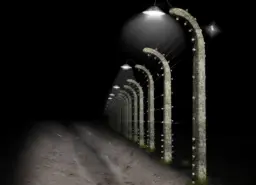
The Holocaust defies comprehension and resists closure. It stands as a rupture in history, challenging faith, morality, and human identity. To remember is not only to look back, but to confront darkness without surrendering to it, preserving the dignity of those whose voices were silenced.

  • Faith After the Holocaust

    In Holocaust by Rabbi Nathan Lopes Cardozo

    In this lecture, Rabbi Cardozo confronts the theological crisis posed by the Holocaust, arguing that traditional answers fail not because faith is impossible, but because God’s silence demands a more courageous, morally demanding form of belief after Auschwitz.
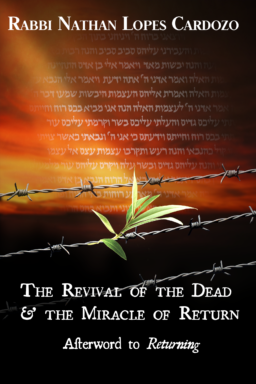
  • The Revival of the Dead & the Miracle of Return

    The full text of Rabbi Nathan Lopes Cardozo’s Afterword to Returning

    In Holocaust and Jewish Thought and Philosophy by Yael Shahar

    Rabbi Cardozo speaks of the implications of resurgent memory in our day. Could this be the fulfillment of prophetic vision?  He notes that stories of non-lived memory are more common than we think. “Such stories hint at a great secret about the age we are living in now. But not everyone connects the dots in the […]

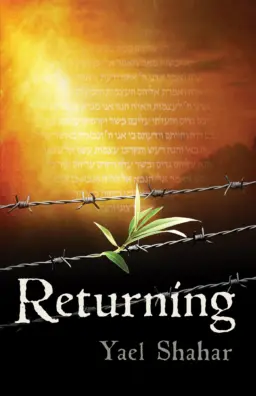
  • Returning

    A story of memory and redemption

    In Holocaust and Jewish Thought and Philosophy by Yael Shahar

    How far will one man go to attain forgiveness? Alex died in Auschwitz, having betrayed his faith and his people. Now he’s been given a single miraculous chance to put things right—but his fate is in the hands of a woman who only wants to forget, and a rabbi who isn’t sure whether to be […]

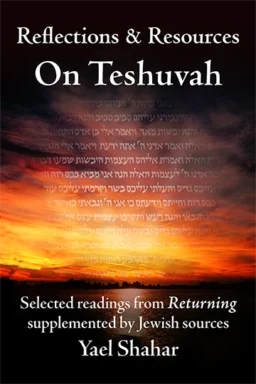
  • Reflections and Resources on Teshuvah

    In Holocaust and Jewish Thought and Philosophy by Yael Shahar

    This discussion guide explores some of the difficulties and dilemmas facing those who seek to heal the wounds of their own souls—especially self-inflicted wounds. These topics are explored through a series of dialogues between Ovadya ben Malka, former member of the Birkenau Sonderkommando and Rabbi David Ish-Shalom. The discussion topics are supplemented with sources from Jewish texts and sample questions. Foreword by Rabbi Dr. Nathan Lopes Cardozo.