Theodicy

Theodicy asks one of the most difficult questions of faith: how to speak of God in a world marked by suffering and injustice. Why do the righteous suffer, and where is God in moments of darkness? Too often, religious thinkers attempt to justify suffering by blaming the victims. Jewish thought, on the other hand, is unwilling to let God off the hook, and wrestles with evil, responsibility, and moral courage—insisting that faith matures not through certainty, but through struggle.

  • Freedom of Will and Determinism

    A Daring Midrash

    In Jewish Thought and Philosophy, Moses, Theodicy and Parashat Vayeshev by Rabbi Nathan Lopes Cardozo

    “Hakol biyadey shamaim chutz meyirat shamaim — everything is from Heaven [determinism] except the fear of Heaven [freedom of will]” This is a profound tenet of Jewish belief. It is not that there are certain times when determinism operates, and other times when humans have free will. Rather, both principles function simultaneously: on one level, human beings seem to have the ability to choose; however, on a different level, all is predetermined.

  • The Merit of Isaac’s Ashes

    In Theodicy and Parashat Vayera by Calev Ben-Dor

    The theme of ashes, (efer / עפר) plays a role in two stories in this week’s parsha. Abraham uses the term when entering into negotiation with God to spare the city of S’dom. The other mention of ashes is in the Akeida, where Abraham is commanded to take his beloved son Isaac to Mount Moriah and offer him as an olah, a burnt offering. The story not only fascinated traditional commentators but modern Israeli and Zionist thinkers too. What does this story mean for us today?

  • When God is Mute – Interpretation and honesty in reading texts

    In Theodicy and Parashat Beshalach by Calev Ben-Dor

    Is it appropriate to sing God's praises, when God is utterly silent to our distress? Jewish tradition has addressed the question in different ways throughout history. Some of these answers may be helpful to us, living through a period that includes both unimaginable lows and historic highs.

  • The Tragedy of Moshe Rabbenu’s Fight for Justice

    In Theodicy and Parashat Shemot by Calev Ben-Dor

    Moshe was a warrior for justice. On three separate occasions, he fought for justice for others. He was simply unable stand idly by when he saw suffering. But this very inability to countenance injustice was also the source of Moshe's greatest tragedy.

  • Putting God on Trial: The problem of Divine Collateral Damage

    In Jewish Thought and Philosophy, Theodicy and Parashat Acharei Mot by Rabbi Nathan Lopes Cardozo

    The Jewish Tradition never told people not to question divine justice. Such questions are not only legitimate, they are holy because they rise from a deep realization that God is righteous and at the same time honest enough to admit that He is at fault.

  • Questions in Light of a Palace in Flames

    In Theodicy by Calev Ben-Dor

    We have become used to thinking of the diaspora as a place of danger; Israel of safety. The fact the biggest murder of Jews in one day since the Holocaust took place in Israel is simply unfathomable. The question is inevitable: Where was God? A strange Midrash on this week's parashah may hint at an answer.

  • Trees & Sky

    Abraham and Problem of Evil

    In Abraham, Jewish Thought and Philosophy and Theodicy by Rabbi Nathan Lopes Cardozo

    A God Who is good, yet the existence of evil, is an age-old dilemma. Authentic faith leads to questions and even indignation at perceived injustices. It is the true believer who reacts to realities that seem unjust and that result in suffering - remaining complacent is unacceptable! Simultaneously, one must remember the very little he can fathom about our world.

  • Yosef’s Remarkable Revenge

    In Theodicy and Parashat Vayigash by Rabbi Nathan Lopes Cardozo

    In this week's parashah, Yosef set's up the ultimate test for his brothers. Will they let their little brother down and not sell him to the enemy or will they fight for him? The answer will show whether they have truly repented of their betrayal of him.

  • Rembrandt and the Quest for Integrity

    75 Years After the Holocaust

    In Jewish Thought and Philosophy, Theodicy and Yom HaShoah by Rabbi Nathan Lopes Cardozo

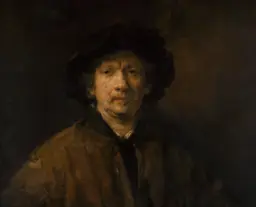
    Rembrandt reminds us that if we want to really live we must show flawless integrity and demonstrate great authenticity. It is all about making a genuine contribution to the world, with no regard for gain, and even being prepared to pay the price of one’s rank and position in the conventional community. A person must make sure that he can look himself in the mirror at the end of his life and say, I lived my life; it did not just pass me by.

  • Tragedy and the Silence of God

    In Theodicy by Rabbi Nathan Lopes Cardozo

    How do we live with a God Who sometimes violates all that our own limited thoughts and feelings can grasp and express? It would be easier if we could deny God's very existence, the grandeur of all creation is too powerful to allow us to deny that He is there. But how are we to answer His silence when tragedy strikes?