
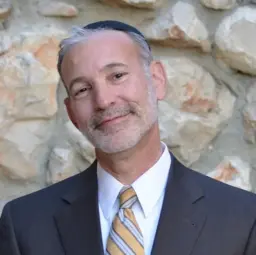

Yehoshua Looks

In addition to his role as COO of the Cardozo Academy, Yehoshua is a writer, having contributed for many years to the HaAretz Rabbis’ Round Table.

After making aliya in 1996, he became actively involved in Israel’s nonprofit community. Yehoshua received rabbinical ordination in 2004 and became a member of the Cardozo Academy Think Tank in 2012.

He loves teaching Torah and performing across Jerusalem’s English-speaking theater scene. Yehoshua lives in Jerusalem’s Rehavia neighborhood with his wife Debbie and their cat, Molly.

  • Parashat Tetzaveh – Amalek and Modern Antisemitism

    In Parashat Tetzaveh and Purim by Yehoshua Looks

    God has made two unconditional promises to the Jewish people: one that we are eternal, that we will not disappear; and the second that He will ultimately redeem us. Unfortunately, He has also warned us that a certain kind of irrational hatred will be our lot throughout the generations.
  • Dina

    The rape of Jacob’s daughter, the war of Israel’s sons

    In Parashat Vayishlach by Yehoshua Looks

    Since October 7, all of the parshiot have had multiple meanings for our current situation. This week’s parshah, Vayishlach, in particular, is one that I’ve been dreading. It speaks directly to one excruciating element of our national pain from that day, and asks how we should respond to that pain.

  • To our Friends outside the Land of Israel

    In Parashat Chayei Sarah by Yehoshua Looks

    This week marks the Sloshim, 30 days since the massacres of October 7. The Jewish laws of mourning focus first on the dead, on dignity from death to burial. The focus then turns to the needs of the close relatives of the deceased, with Shiva, the seven days of intense mourning, to the Sloshim, which—with the exception of the death of one’s parents—marks the end of the mourning period. However, even 30 days later, we as a nation find it hard to get past the mourning.