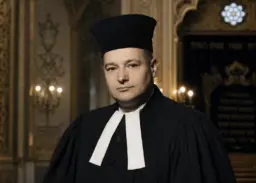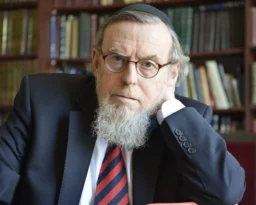
Rabbi Nathan Lopes Cardozo
Nathan Lopes Cardozo was born in Holland, and now lives in Israel. A sought-after lecturer on the international stage for both Jewish and non-Jewish audiences, Cardozo is known for his original and often fearlessly controversial insights into Judaism. His ideas are widely debated in social media, blogs, books and other forums.
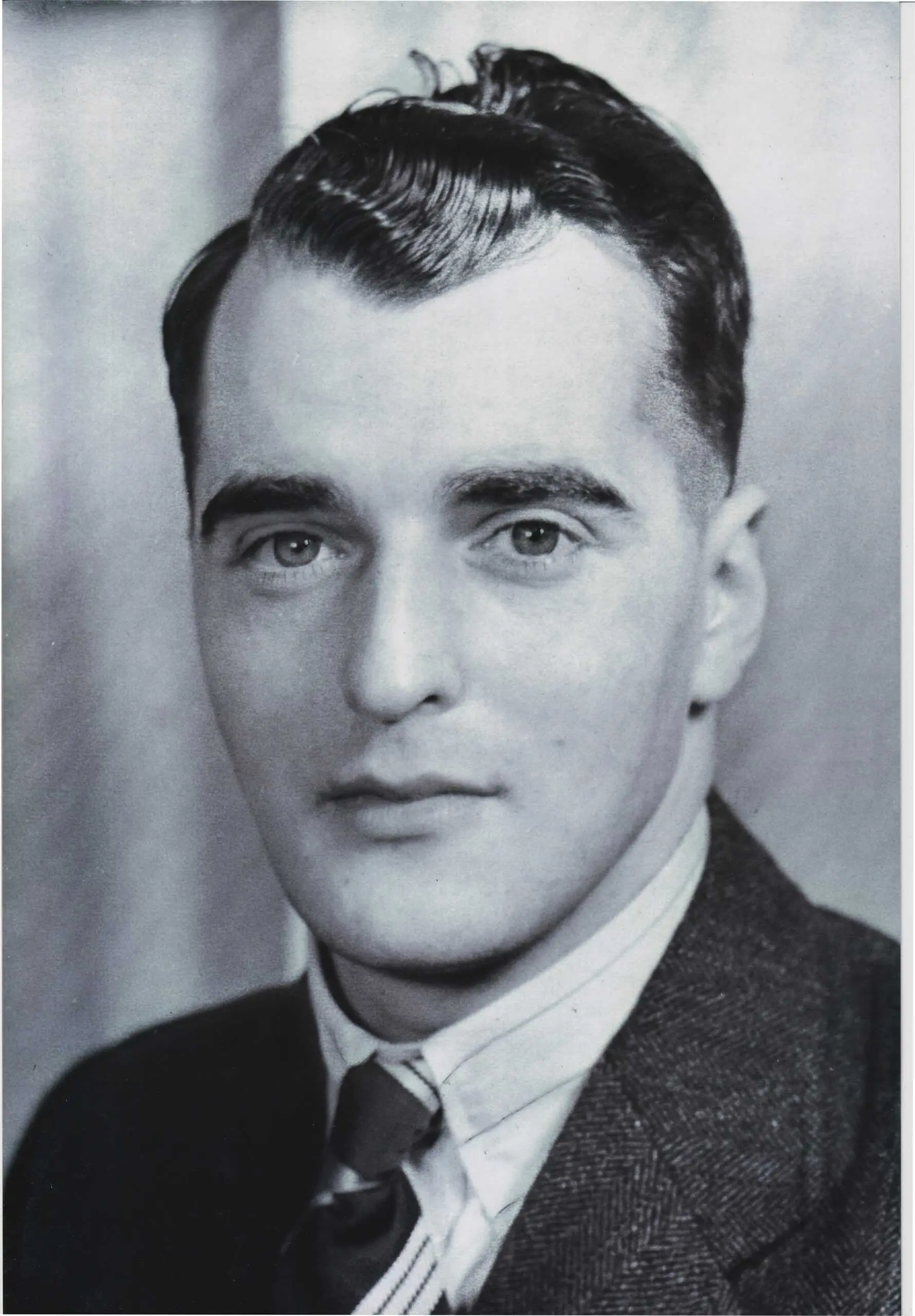
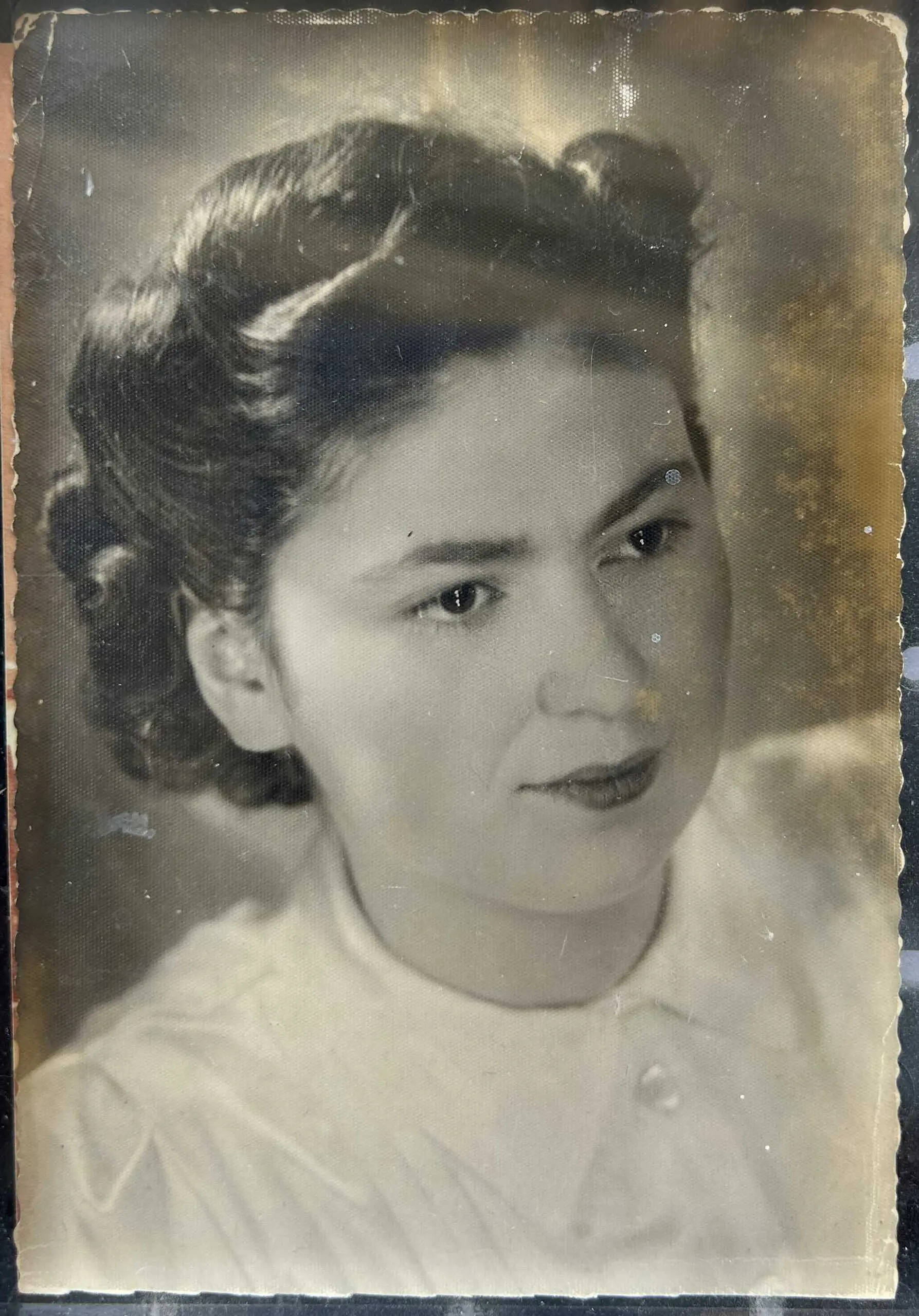
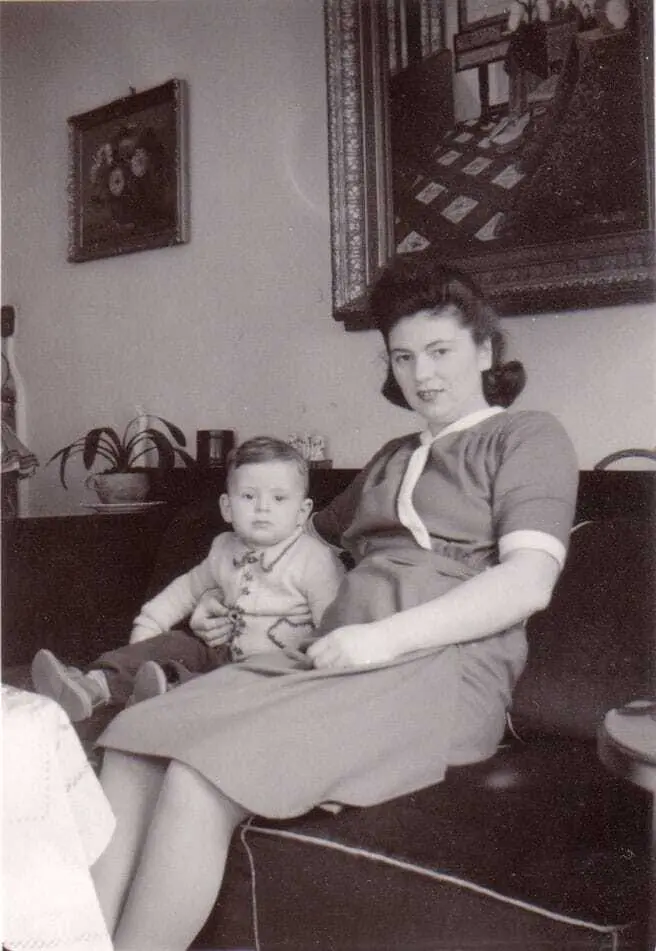
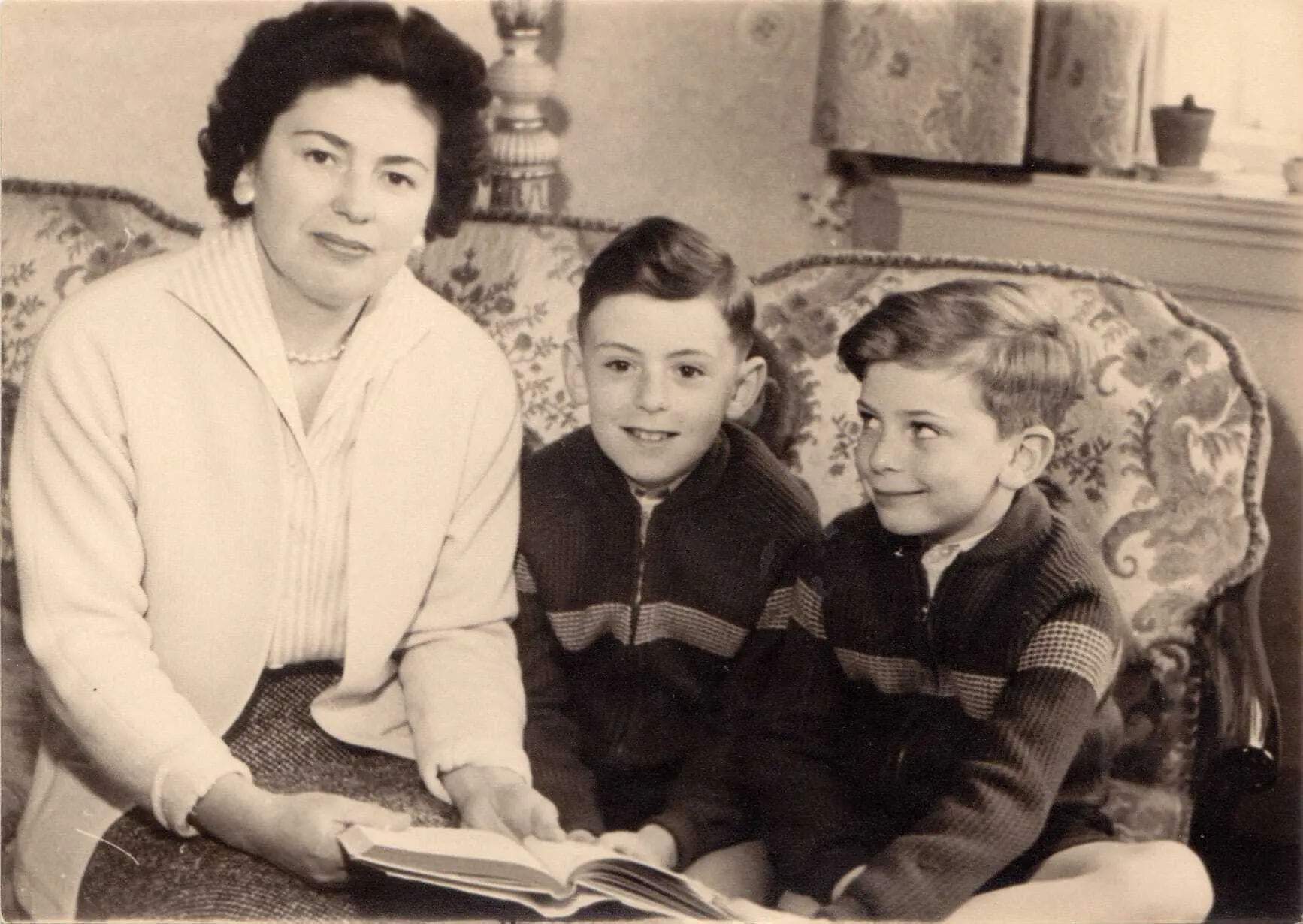
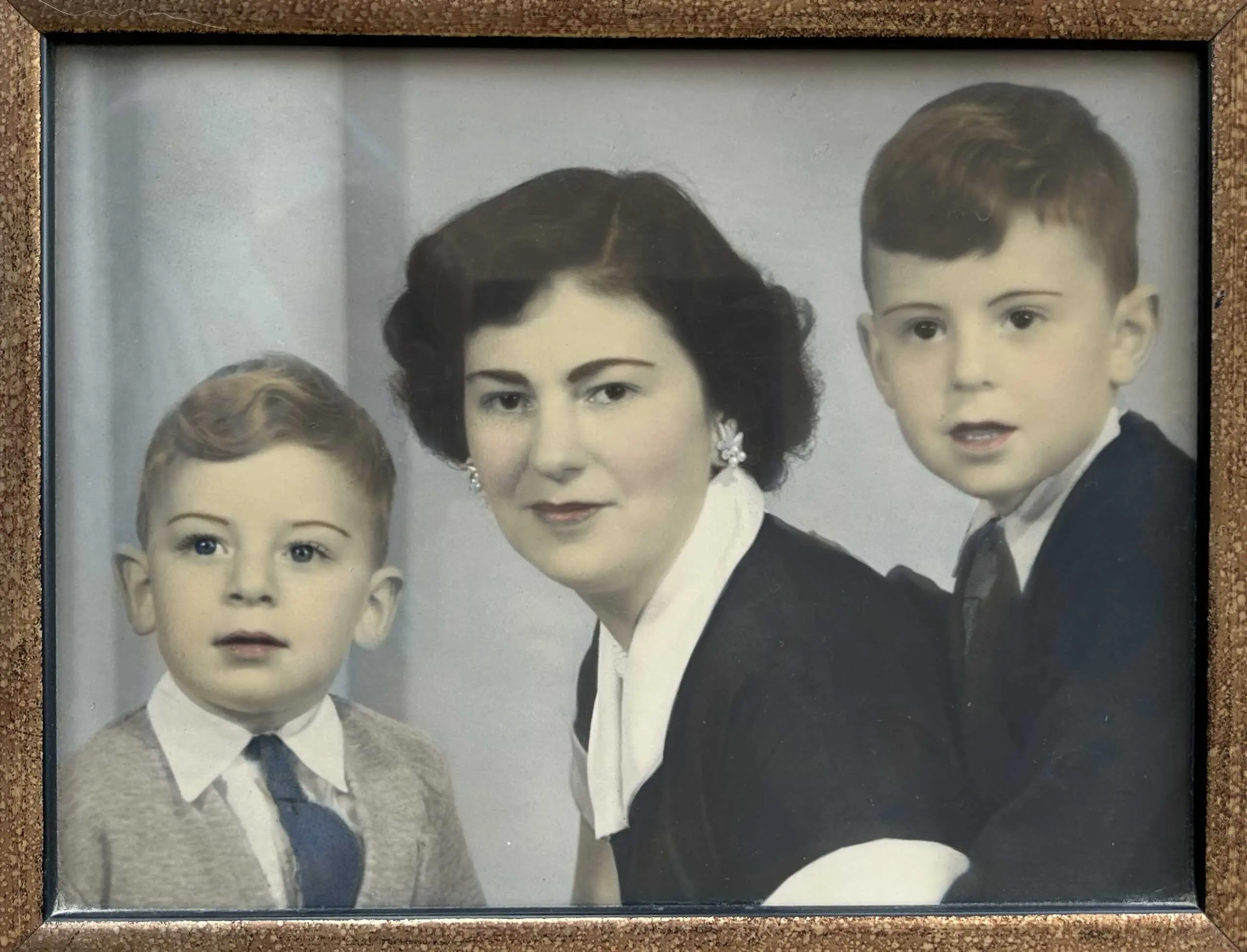
Born in 1946, Nathan was named after his father’s youngest brother who was killed in the Holocaust. His father was a secular Jew who was proud of his Portuguese Jewish origin. His mother was an orphan who, when her Christian parents died, was raised by his father’s Jewish family, and though not Jewish, she was an integrated part of the community and spoke their language. Later on, she saved her husband and his family during the Holocaust by hiding them in her apartment in the center of Amsterdam while the city was under Nazi occupation. Many times she risked her life by convincing the Nazis that her husband and family were already taken to the concentration camps.
Due to his birth to a non-Jewish mother Cardozo was technically not halakhically Jewish either (natural-born Jewish status is conferred through one’s mother), but at age sixteen he formally converted to Judaism through the Amsterdam Rabbinate.
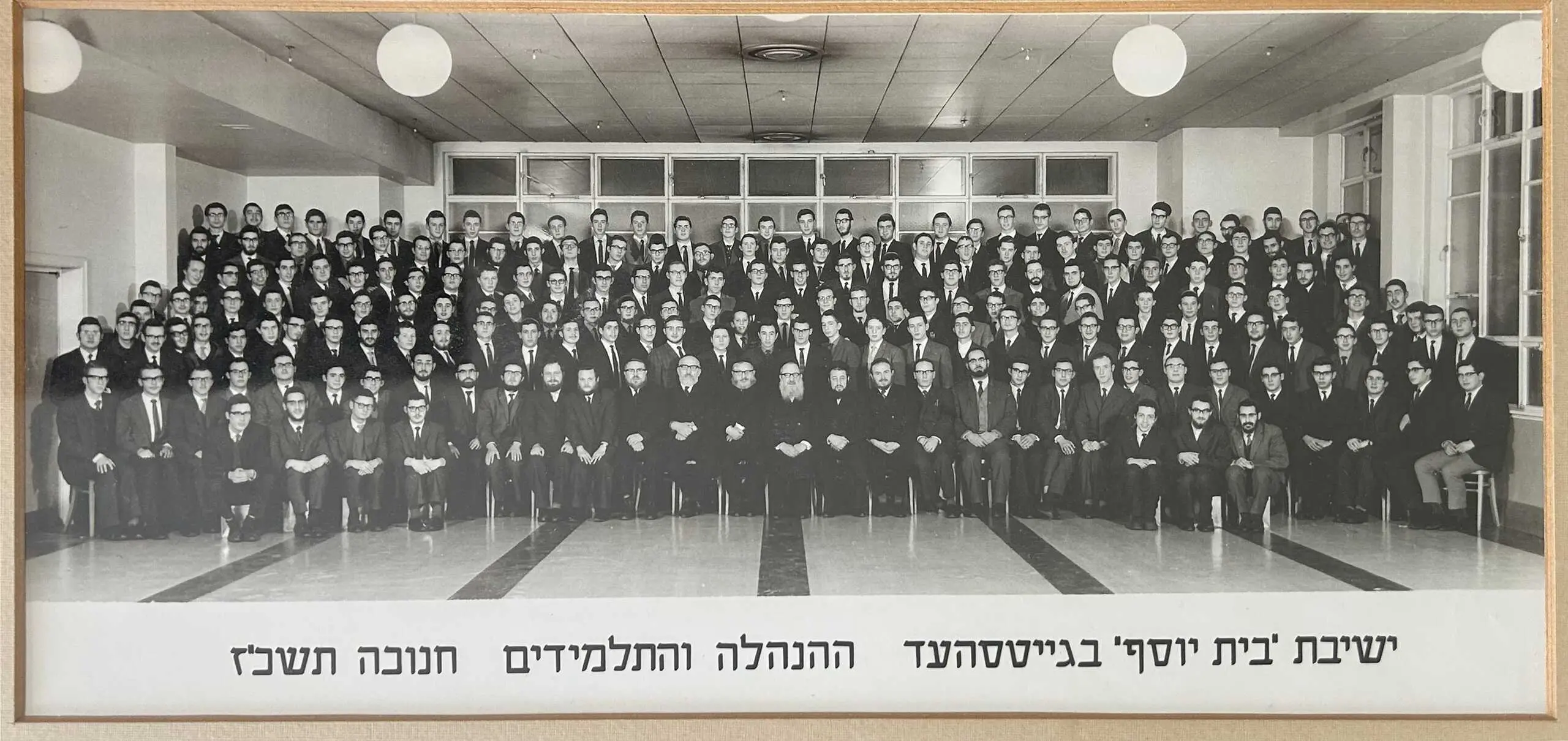
Cardozo spent 12 years studying at various Haredi Yeshivas, including Gateshead Talmudical College. He received his semikhah (rabbinic ordination) from Rabbi Aryeh Leib Gurwitz, Rosh yeshiva of Gateshead.
Rabbi Cardozo is the Founder and Dean of the David Cardozo Academy and the Bet Midrash of Avraham Avinu in Jerusalem. Rabbi Cardozo is the author of 18 books and numerous articles in both English and Hebrew. Rabbi Cardozo heads a Think Tank focused on finding new Halachic and philosophical approaches to religious issues facing the Jewish People and the State of Israel.
Watch the Video “Lonely But Not Alone: The Story of a Rebellion” by Rabbi Cardozo
Spiritual Journey
Lonely But Not Alone is Rabbi Nathan Lopes Cardozo’s personal account of his spiritual journey from a secular childhood to a life of deep, unconventional Jewish faith. Through reflections on identity, doubt, and belonging, he offers a moving portrait of a soul in search of truth beyond conformity.

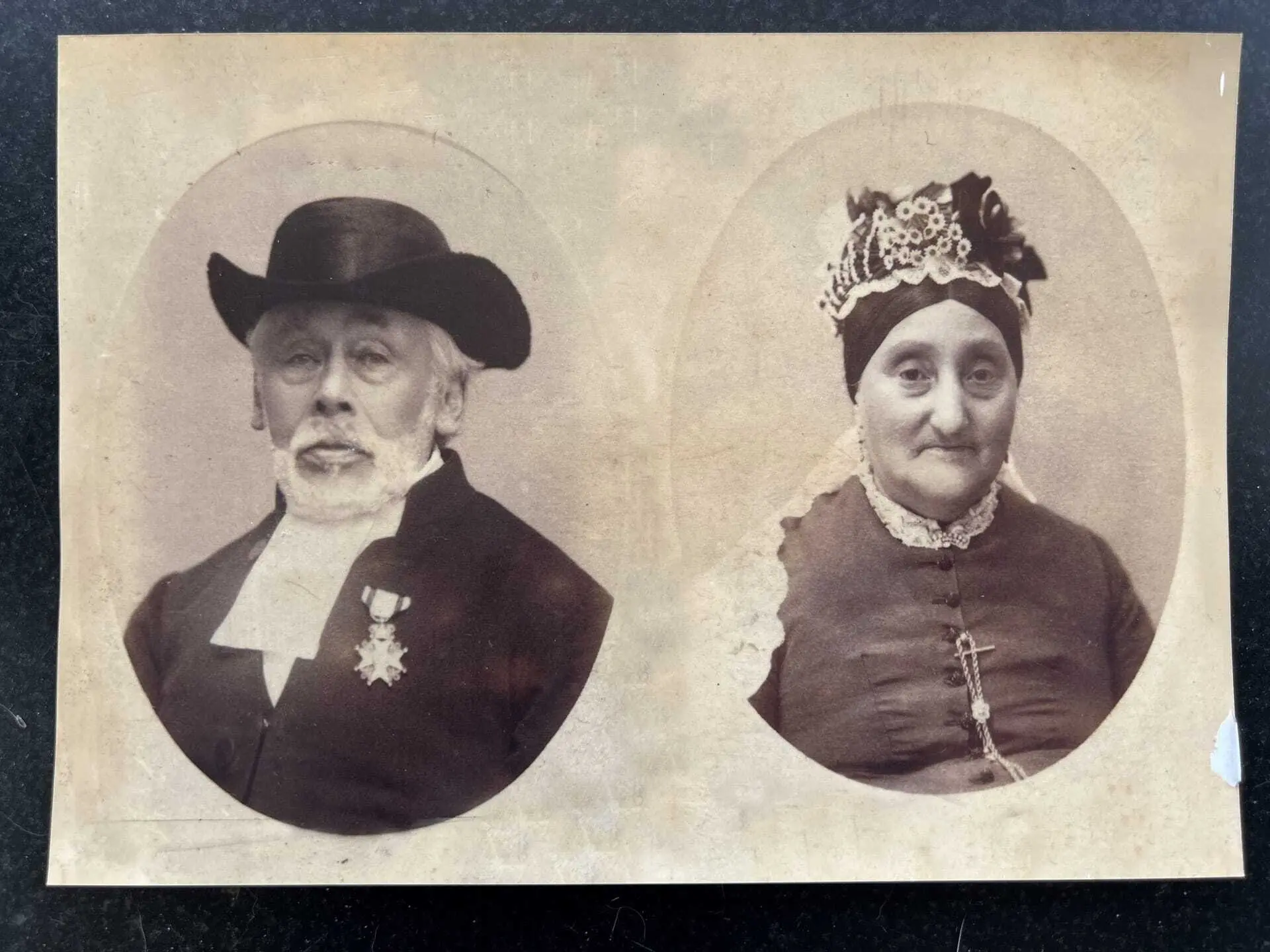
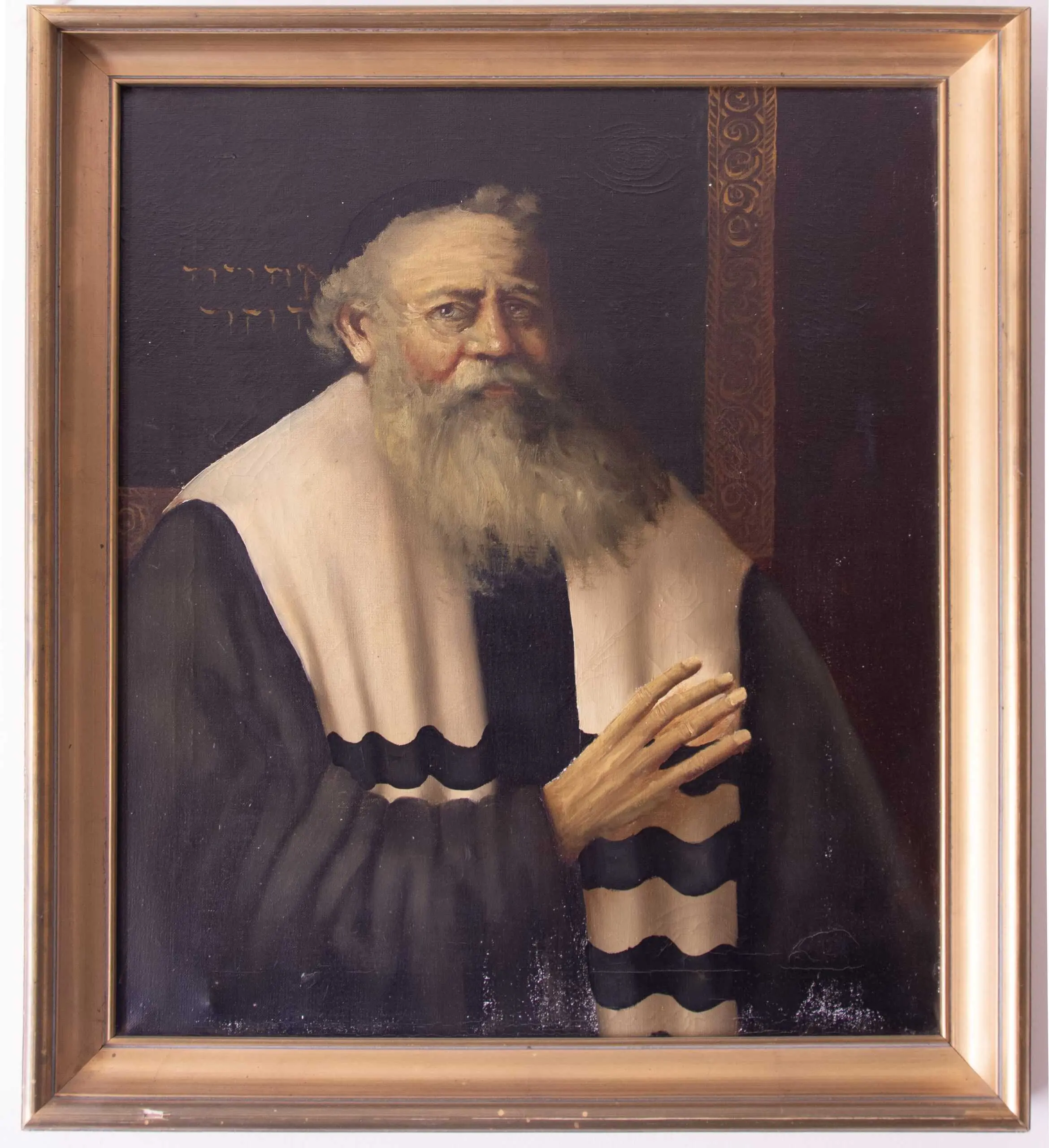
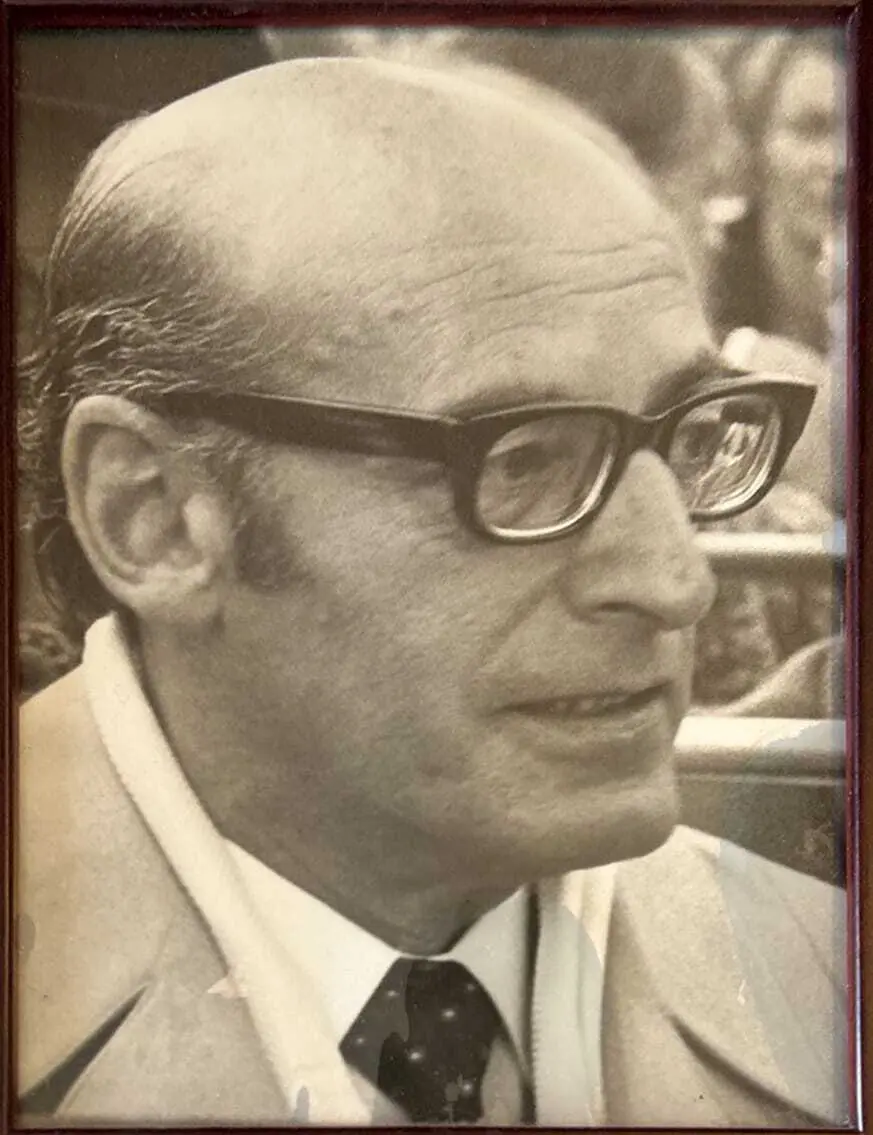
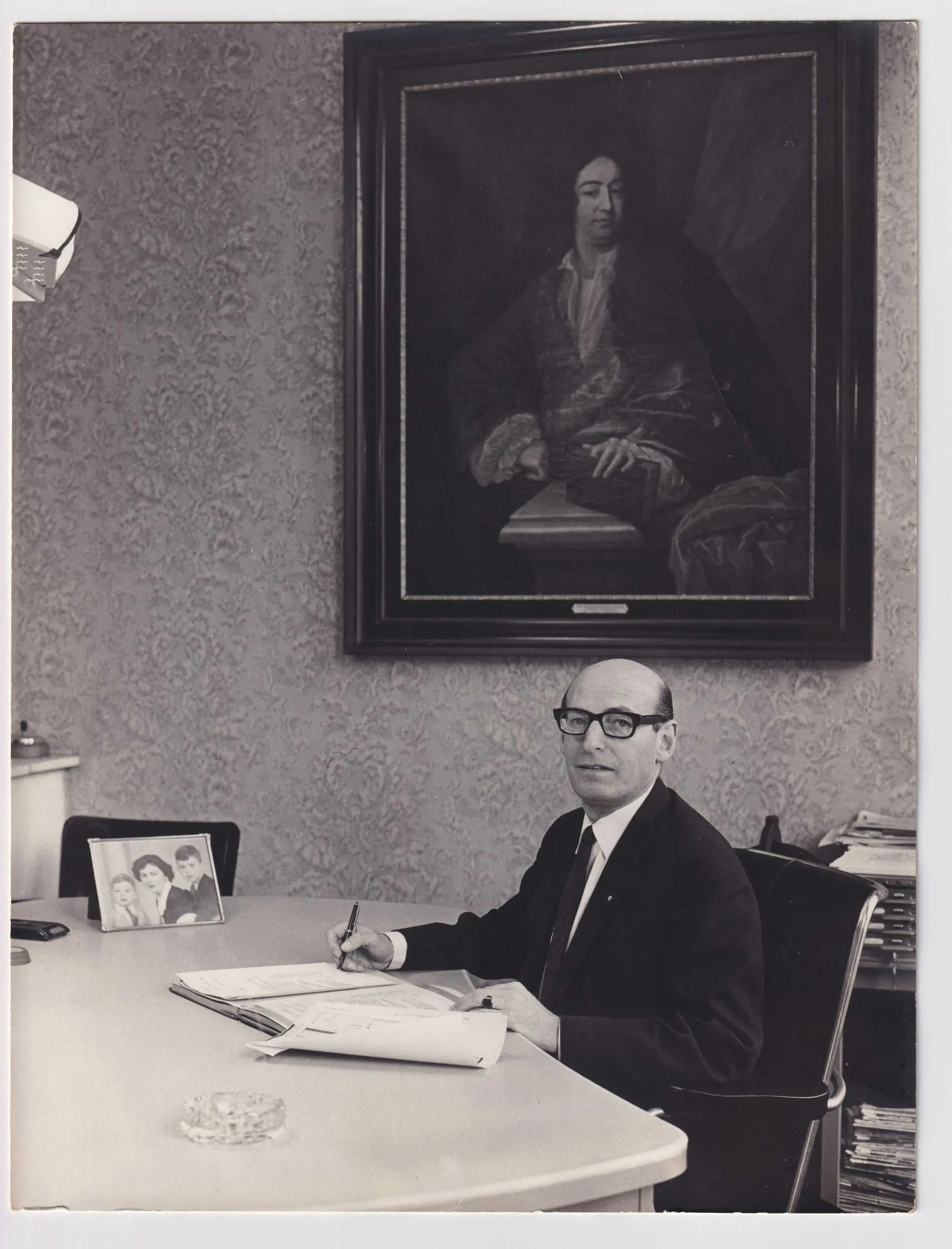
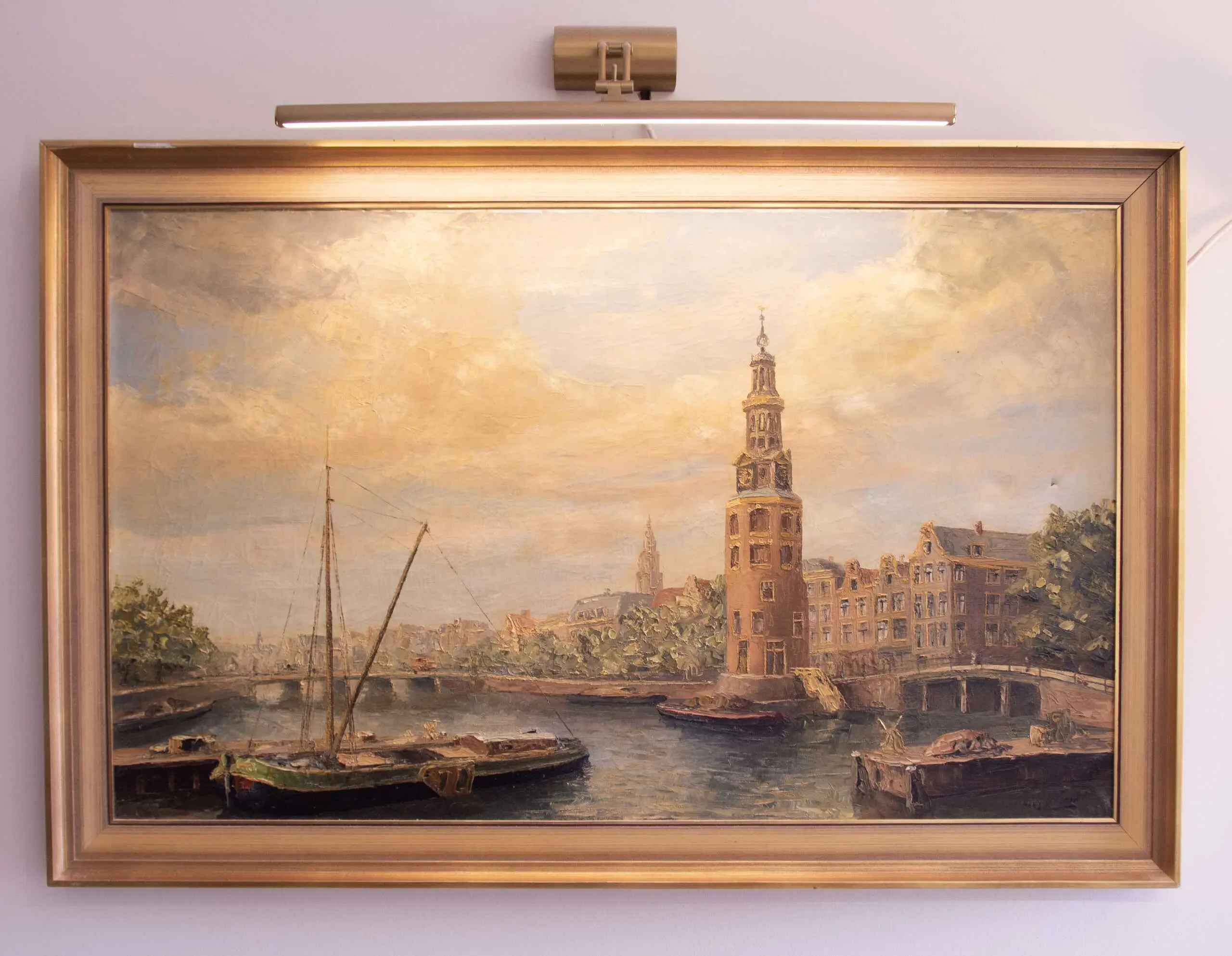
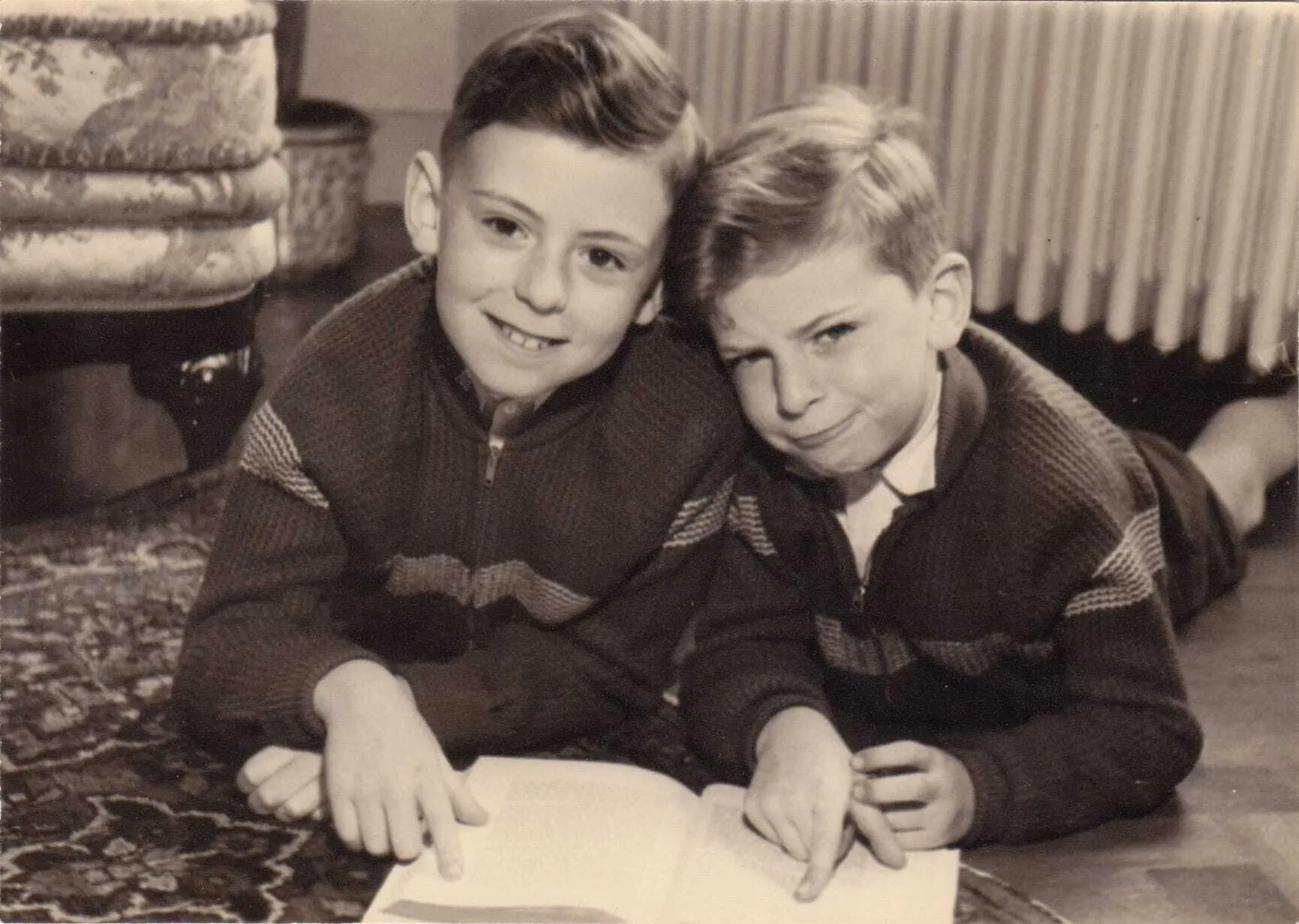
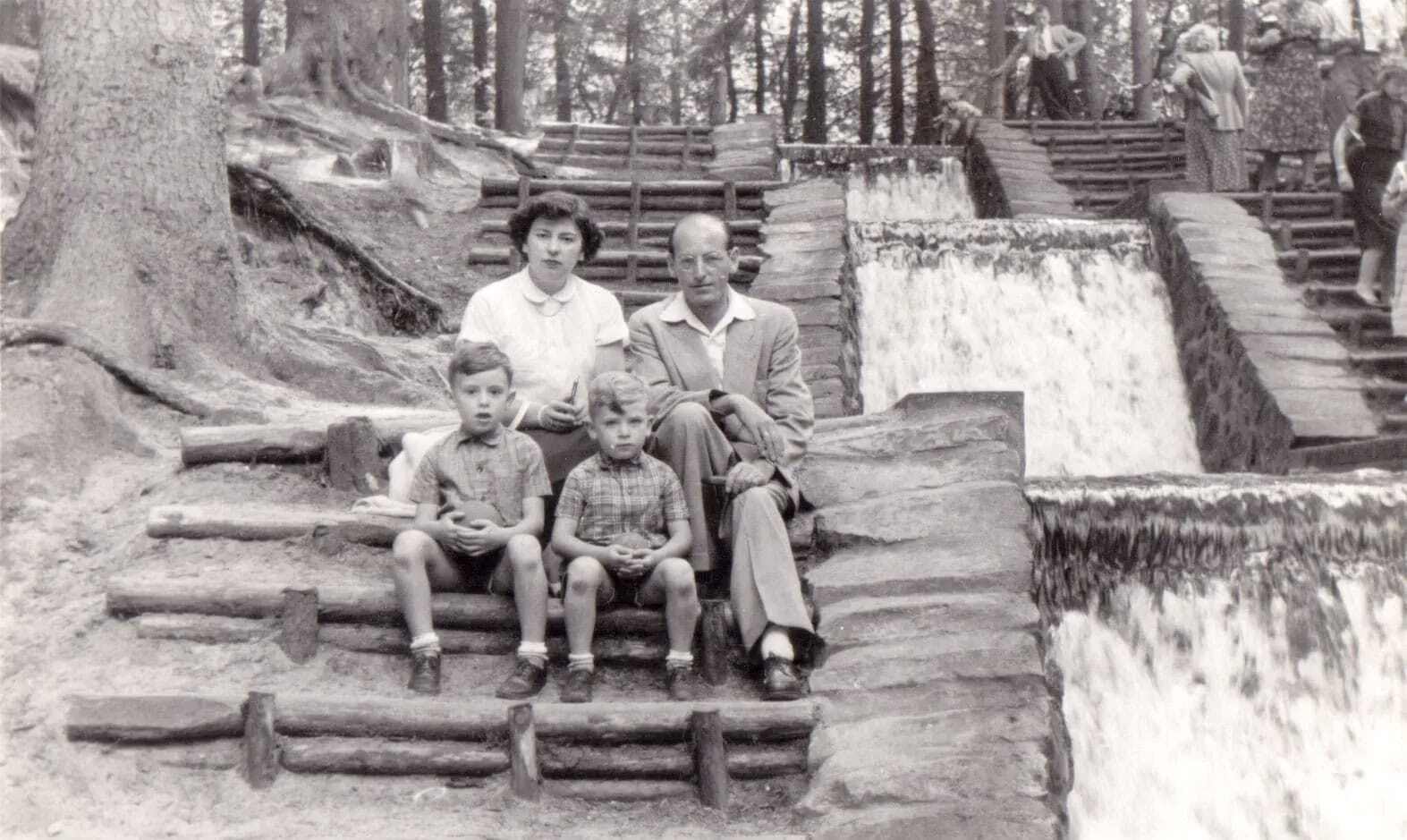
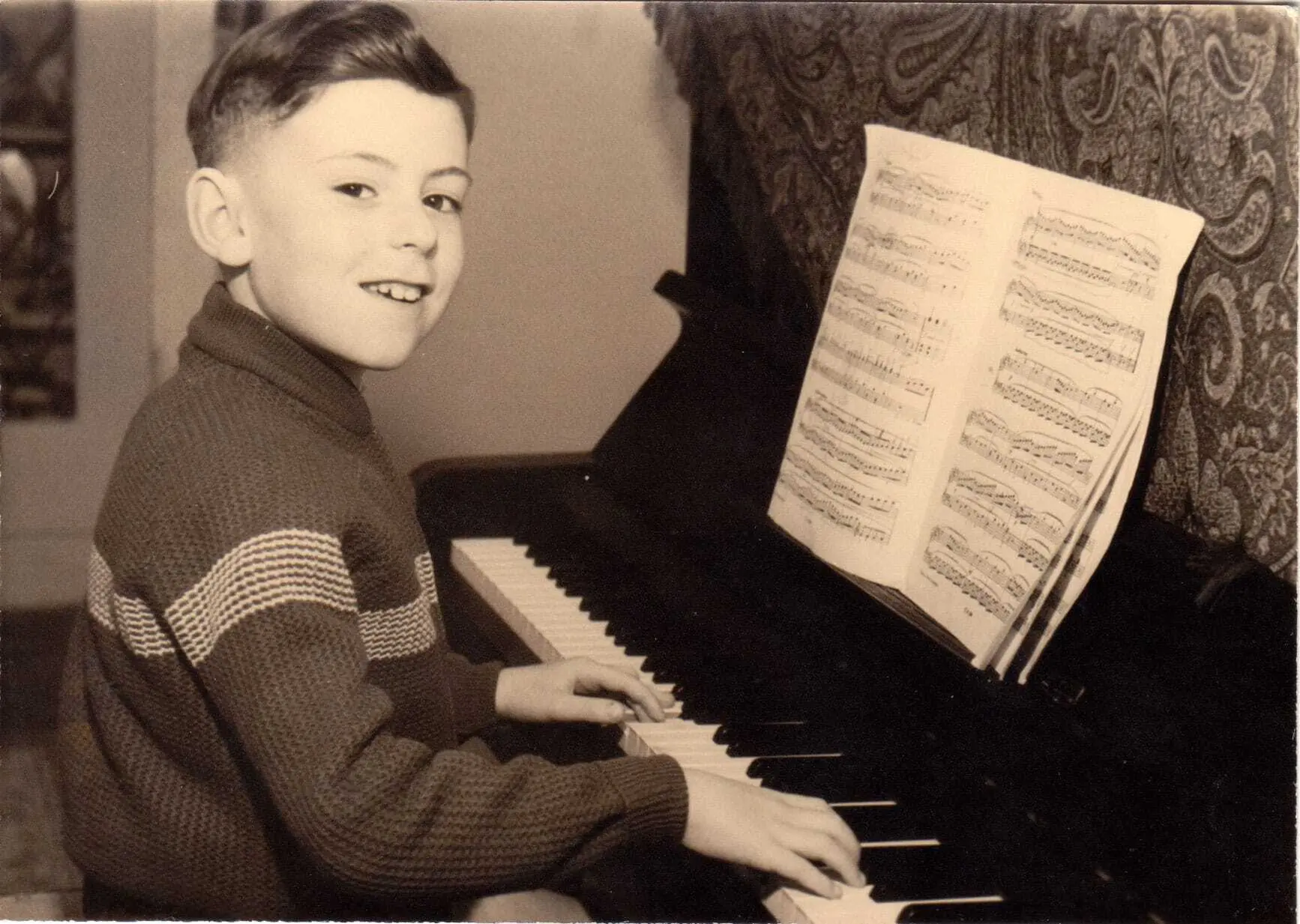
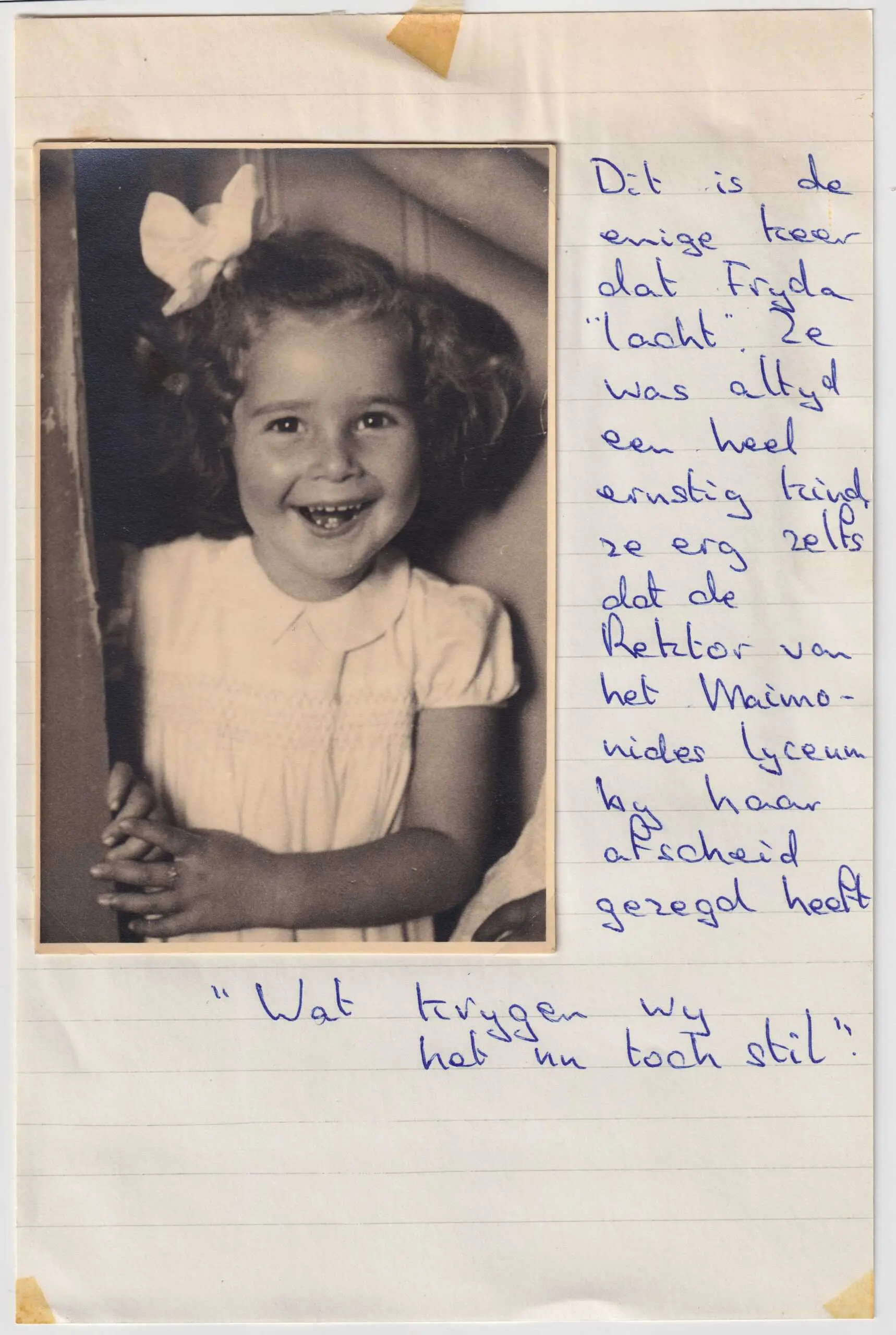
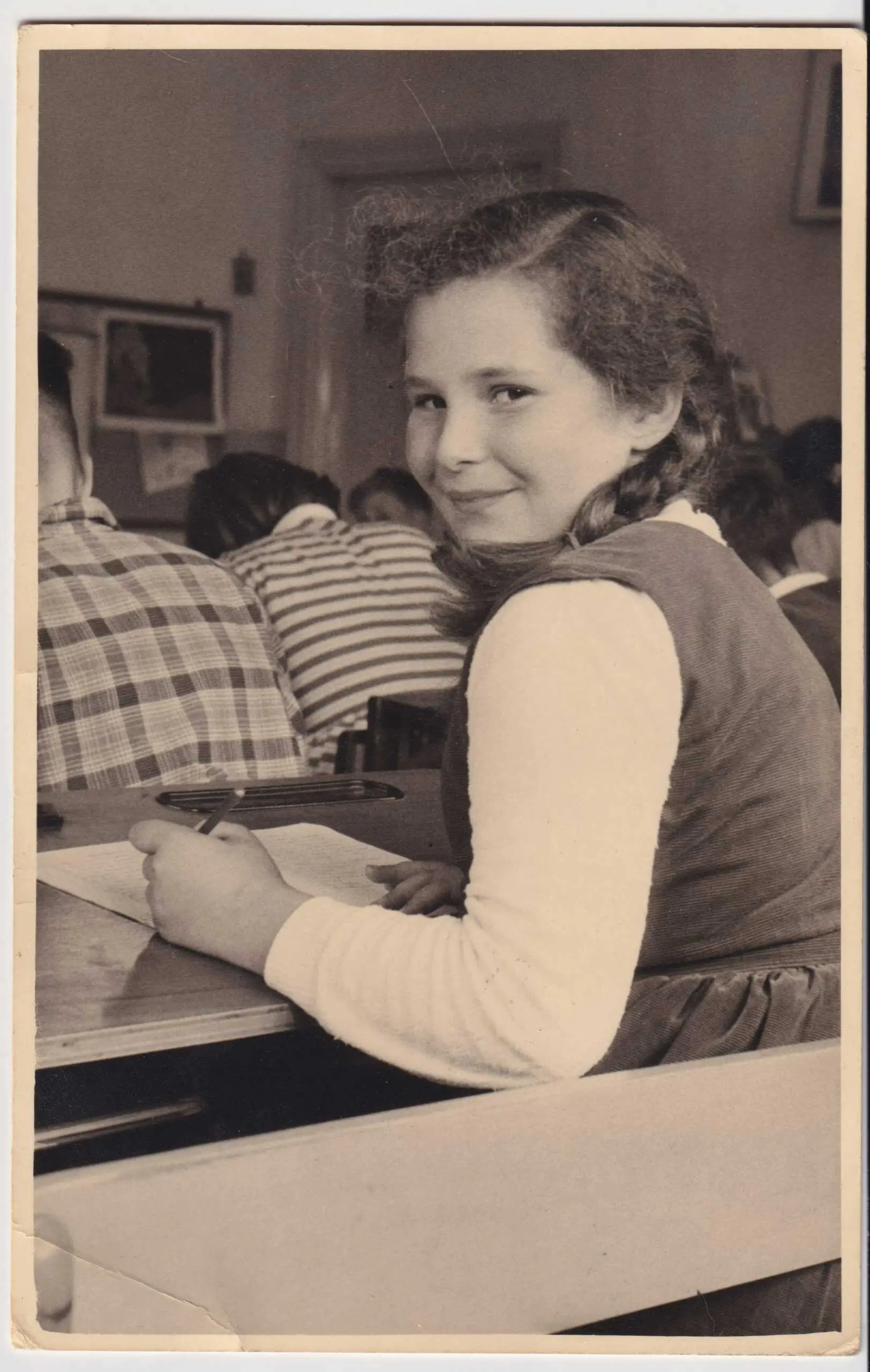
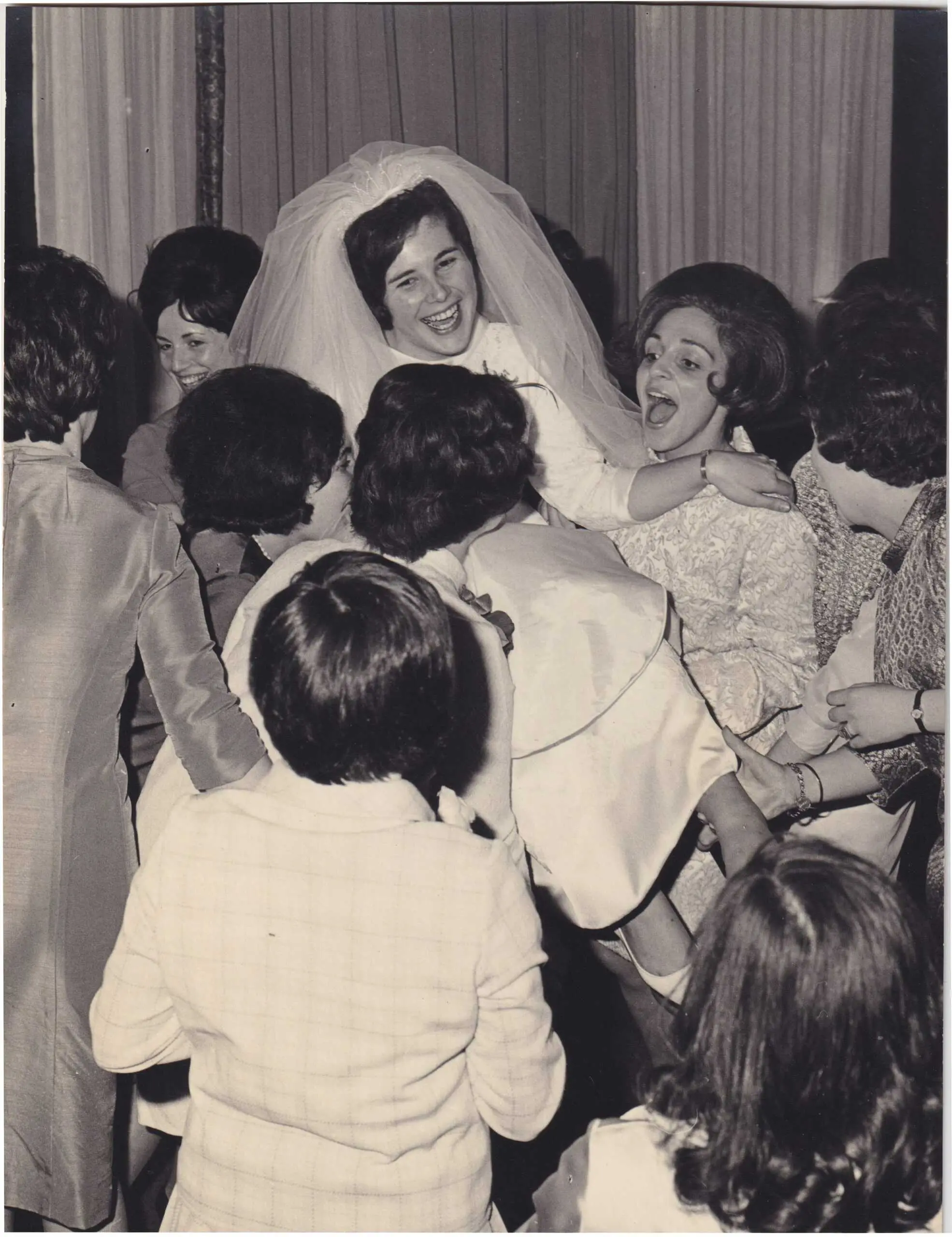
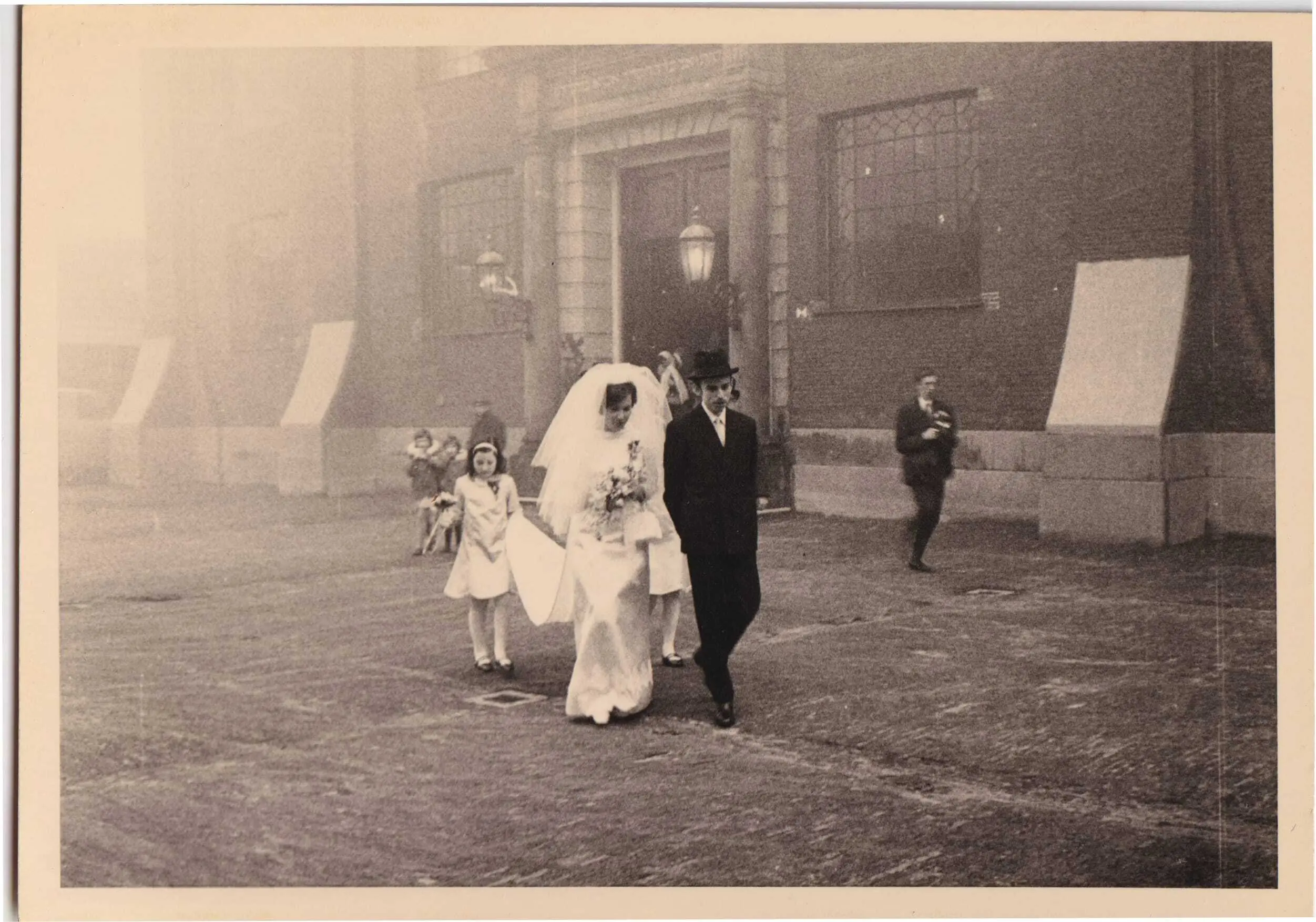
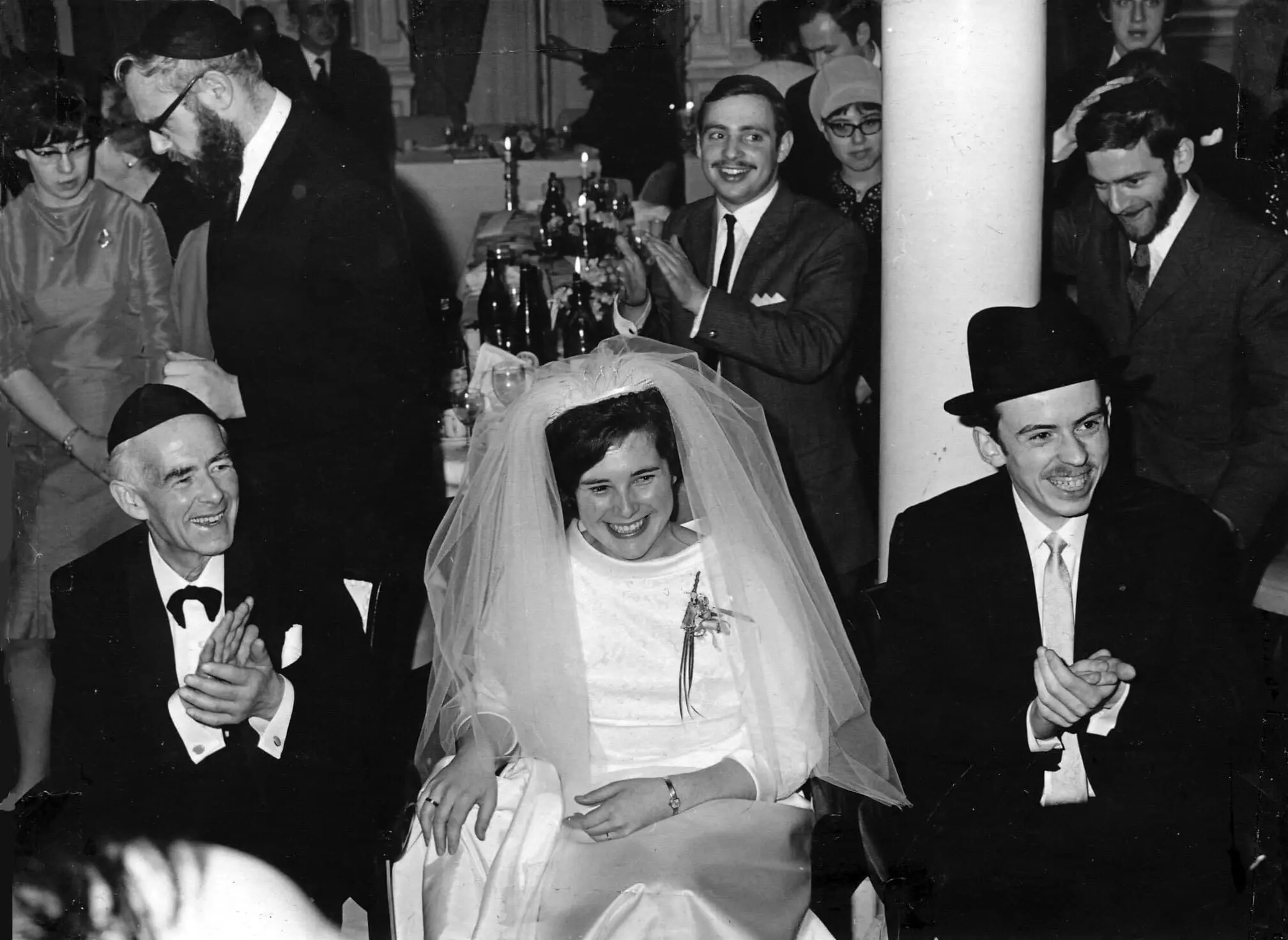
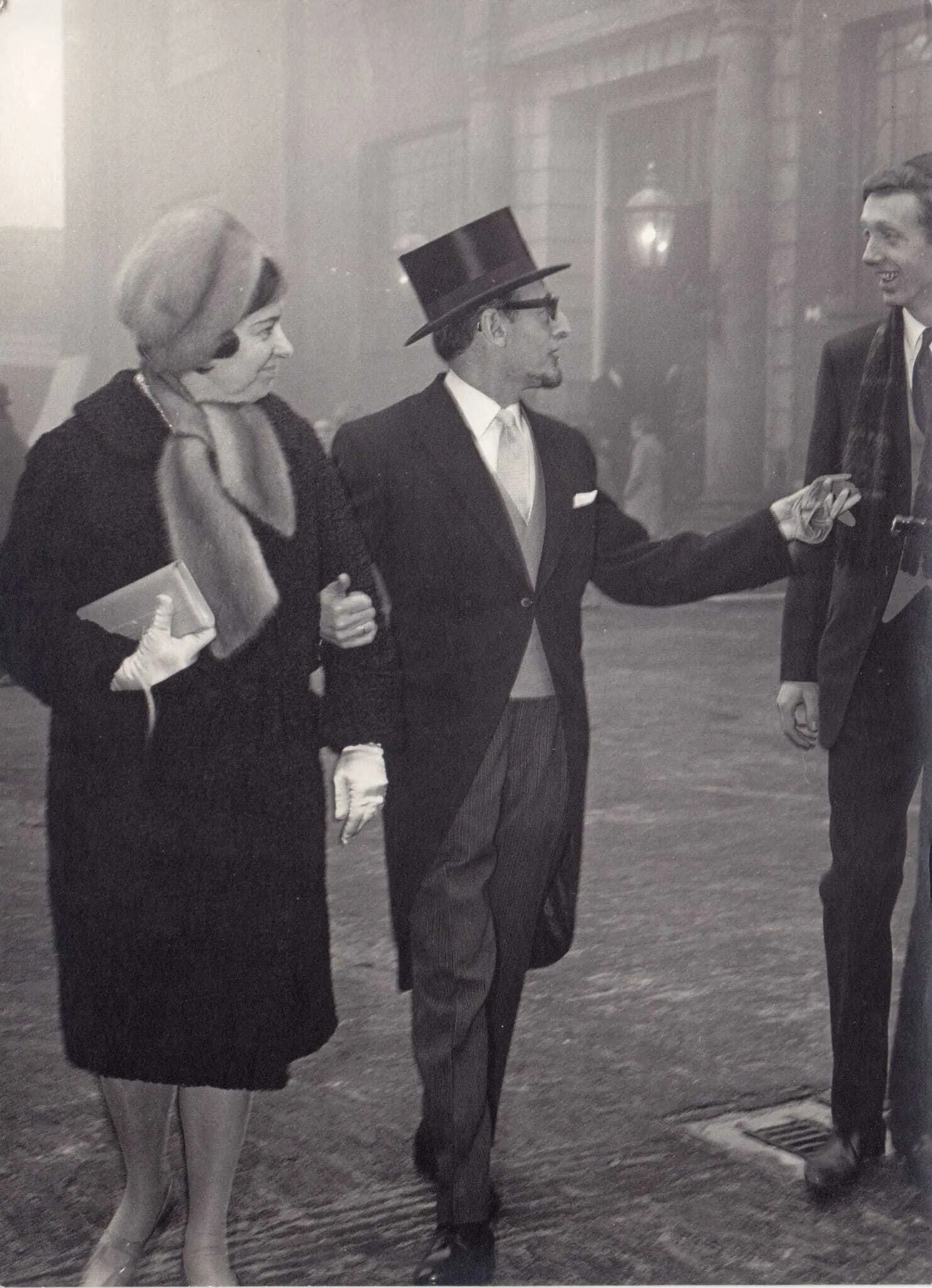
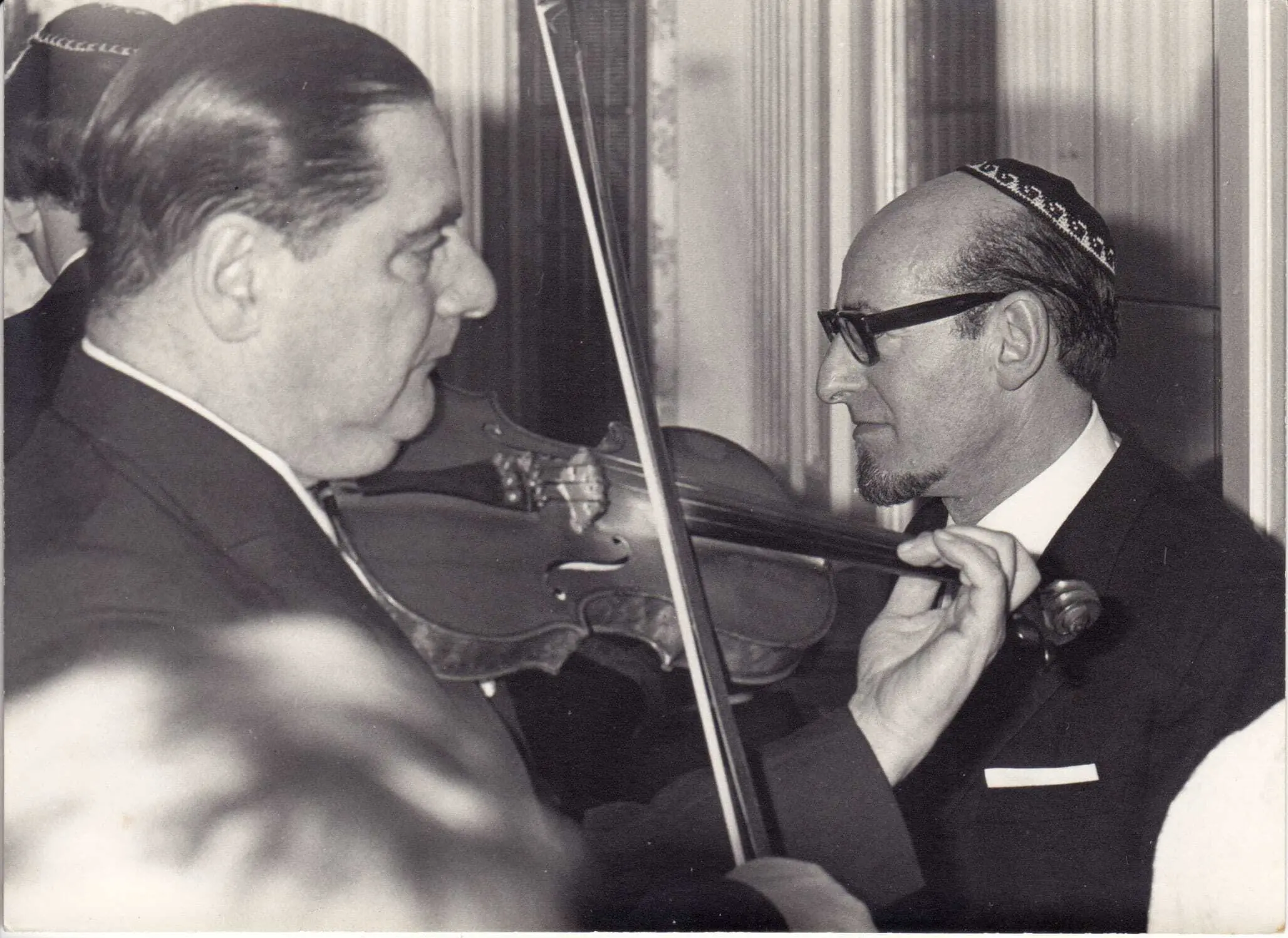
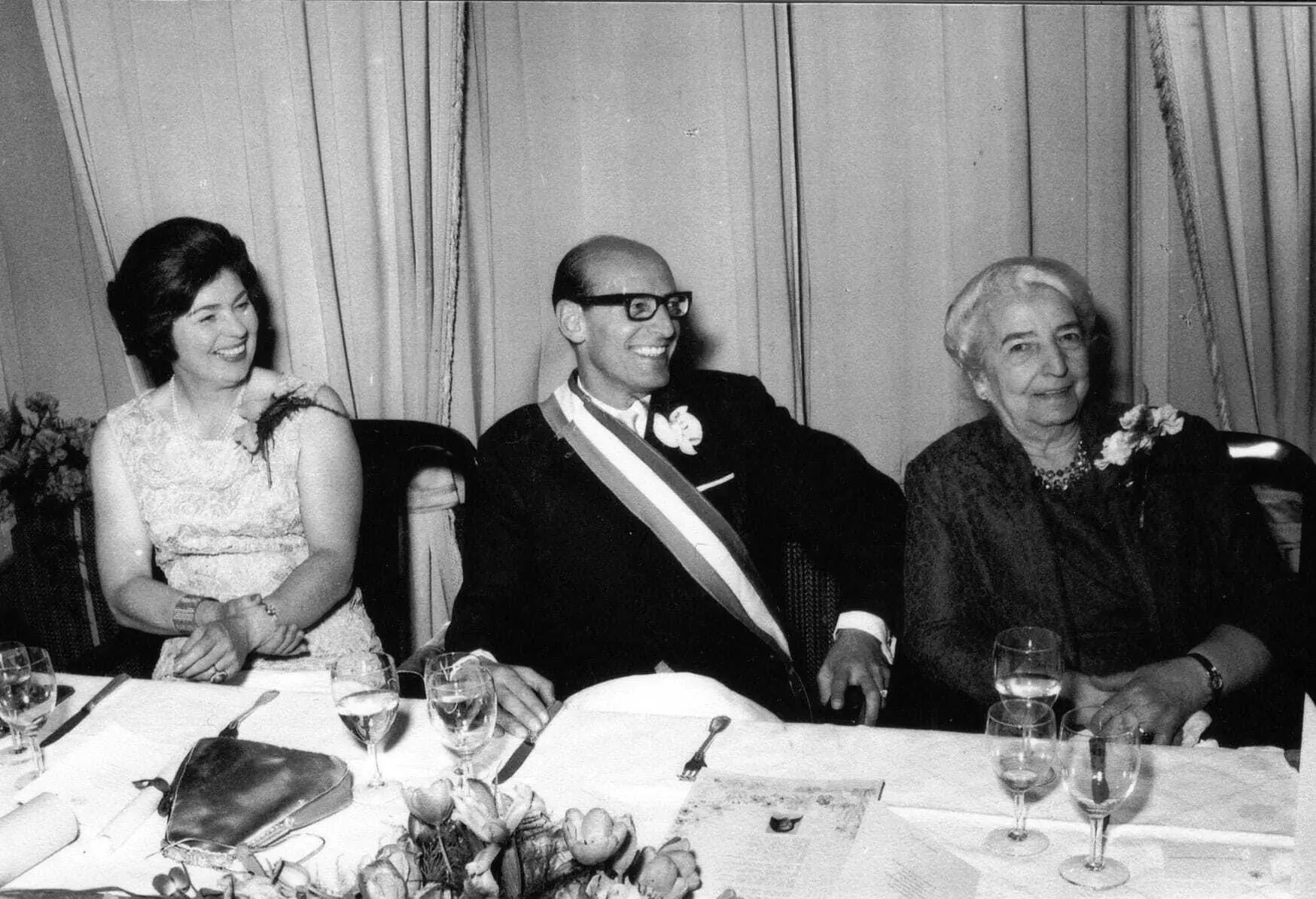
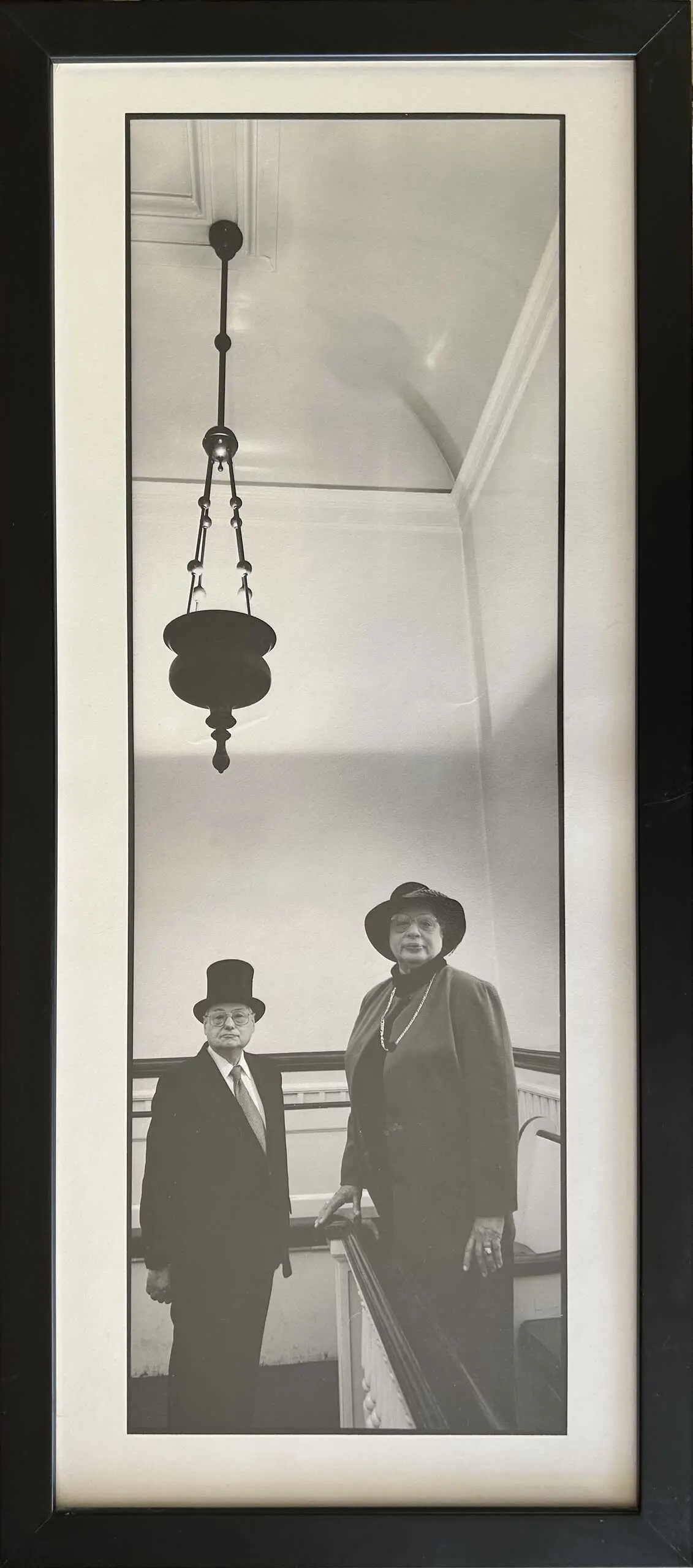
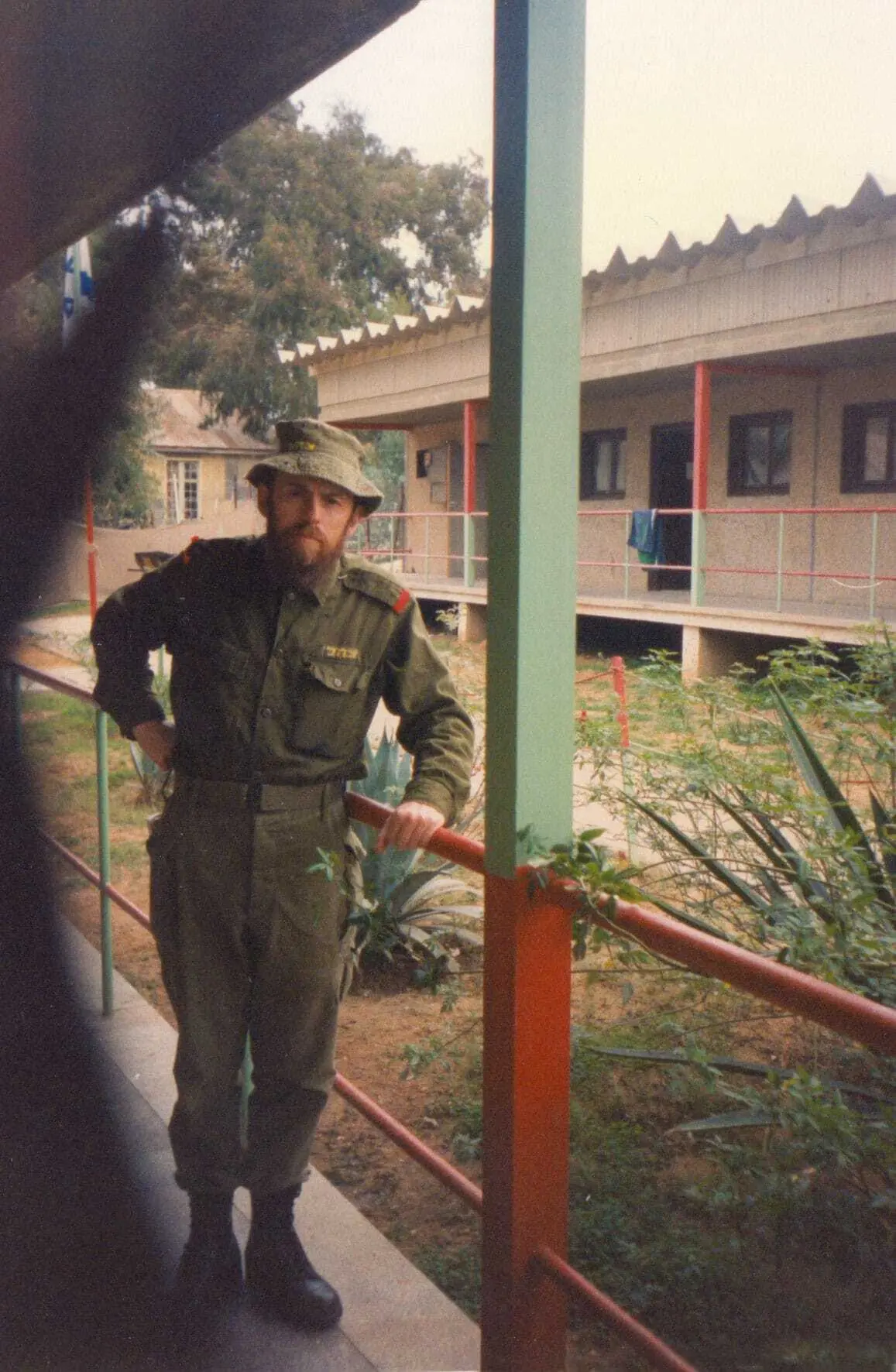
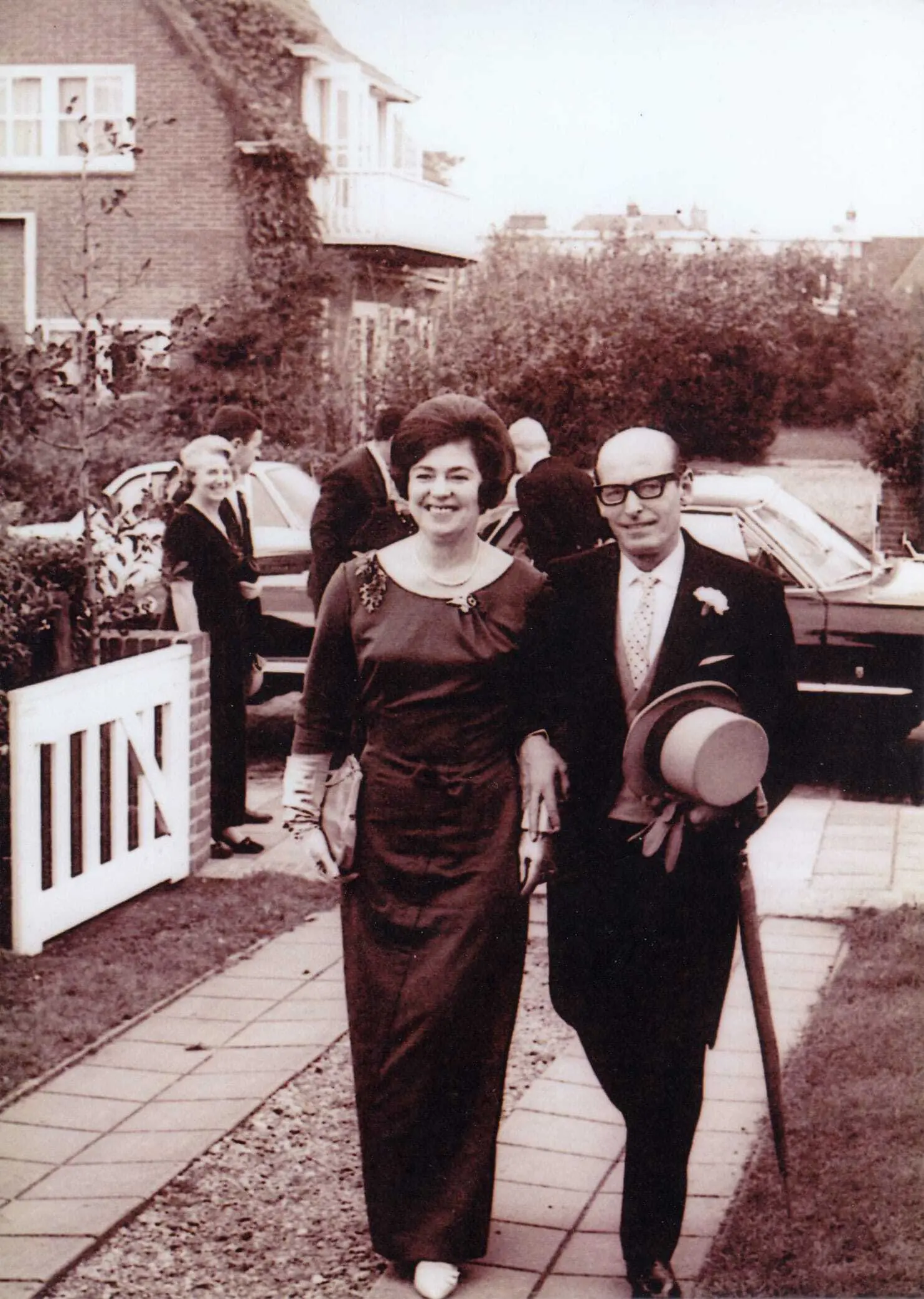
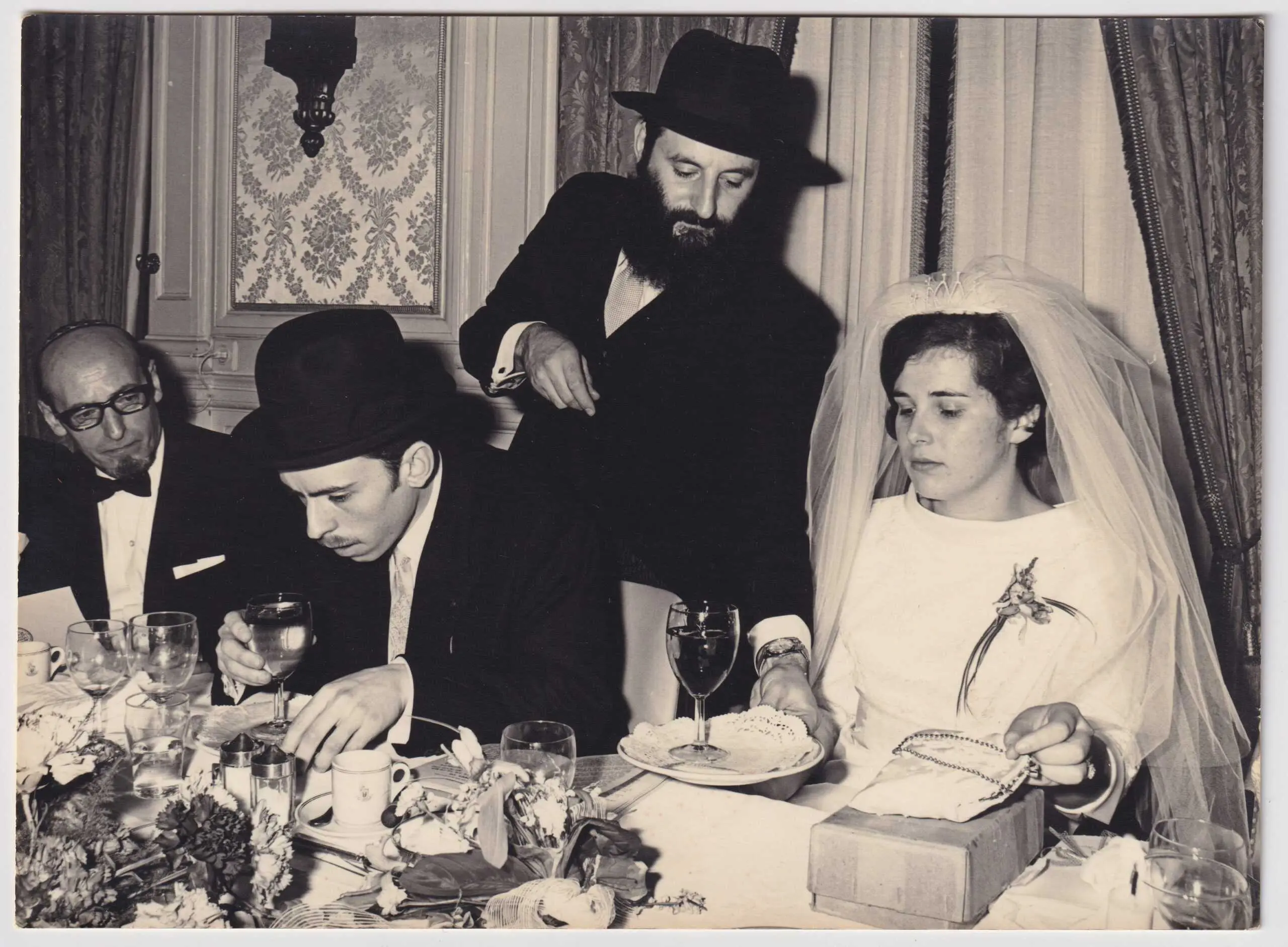
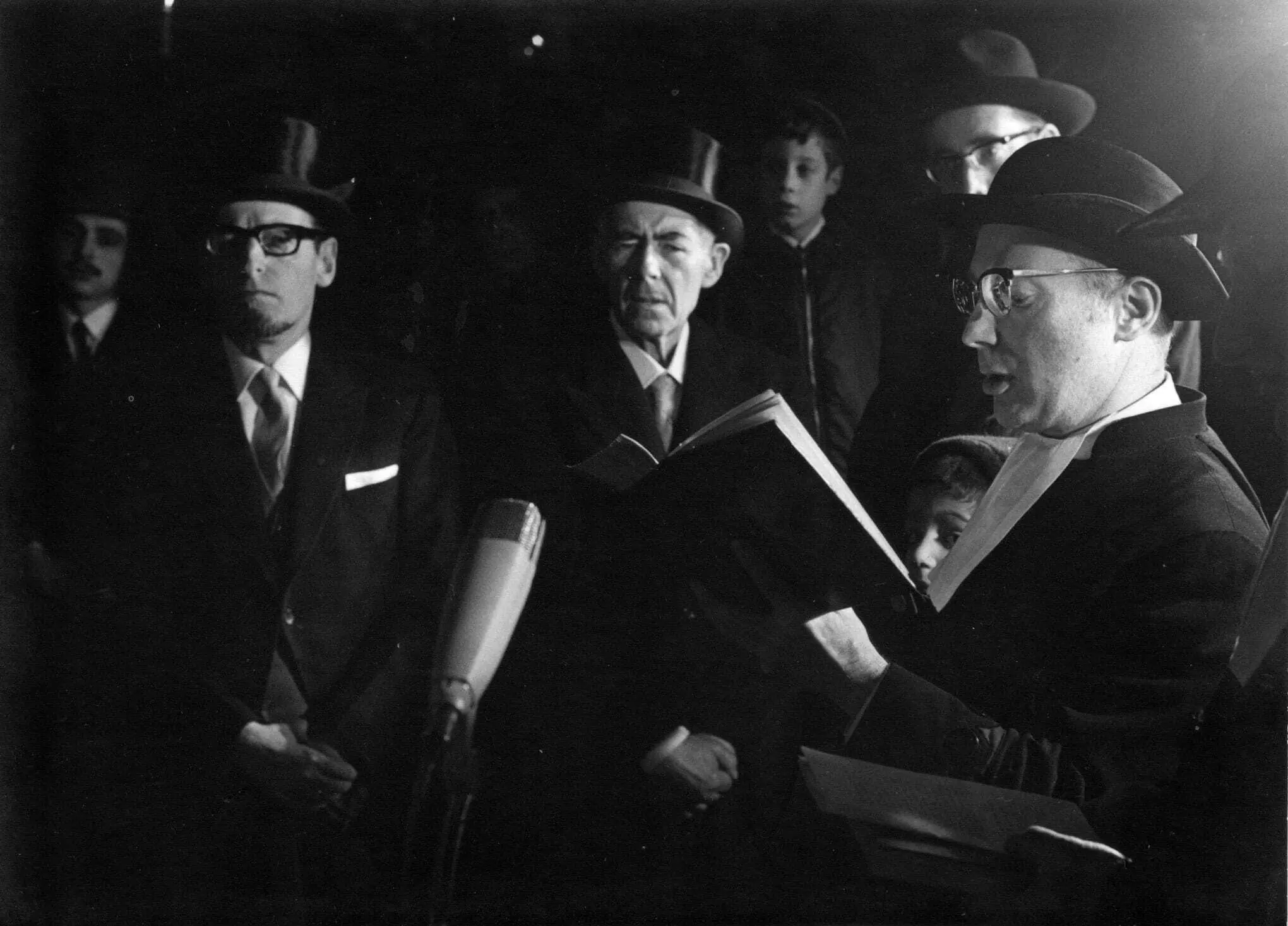
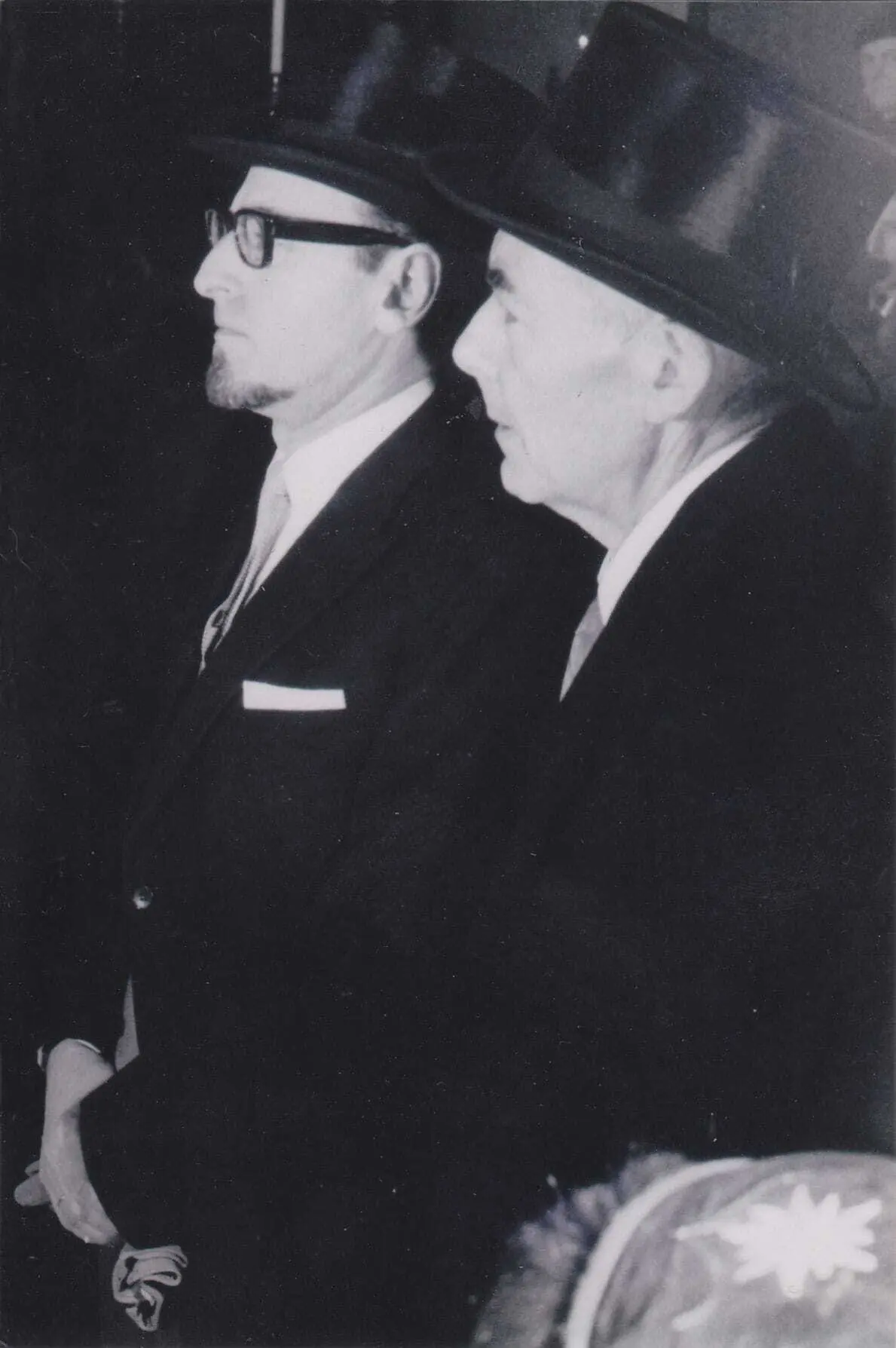
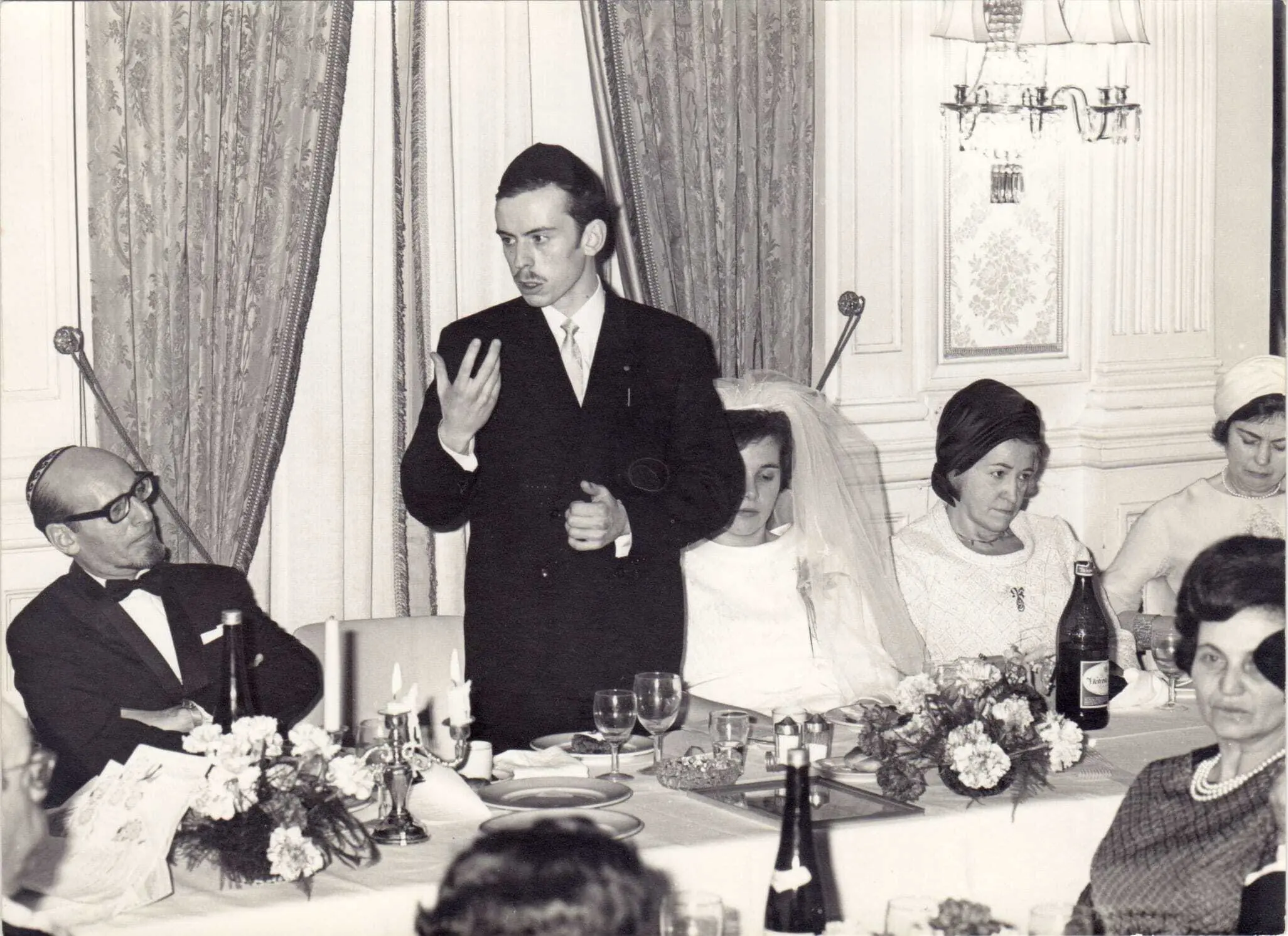
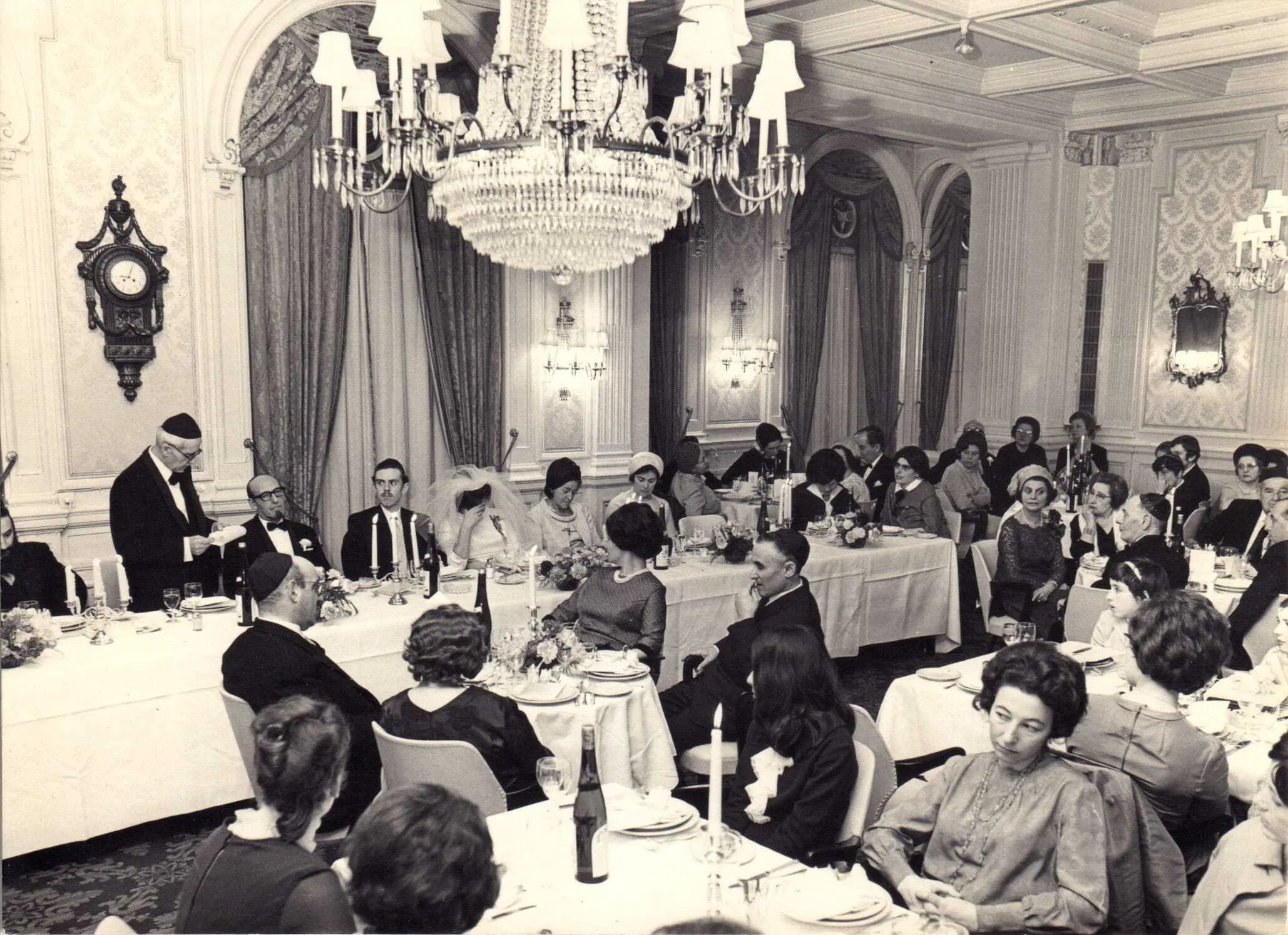
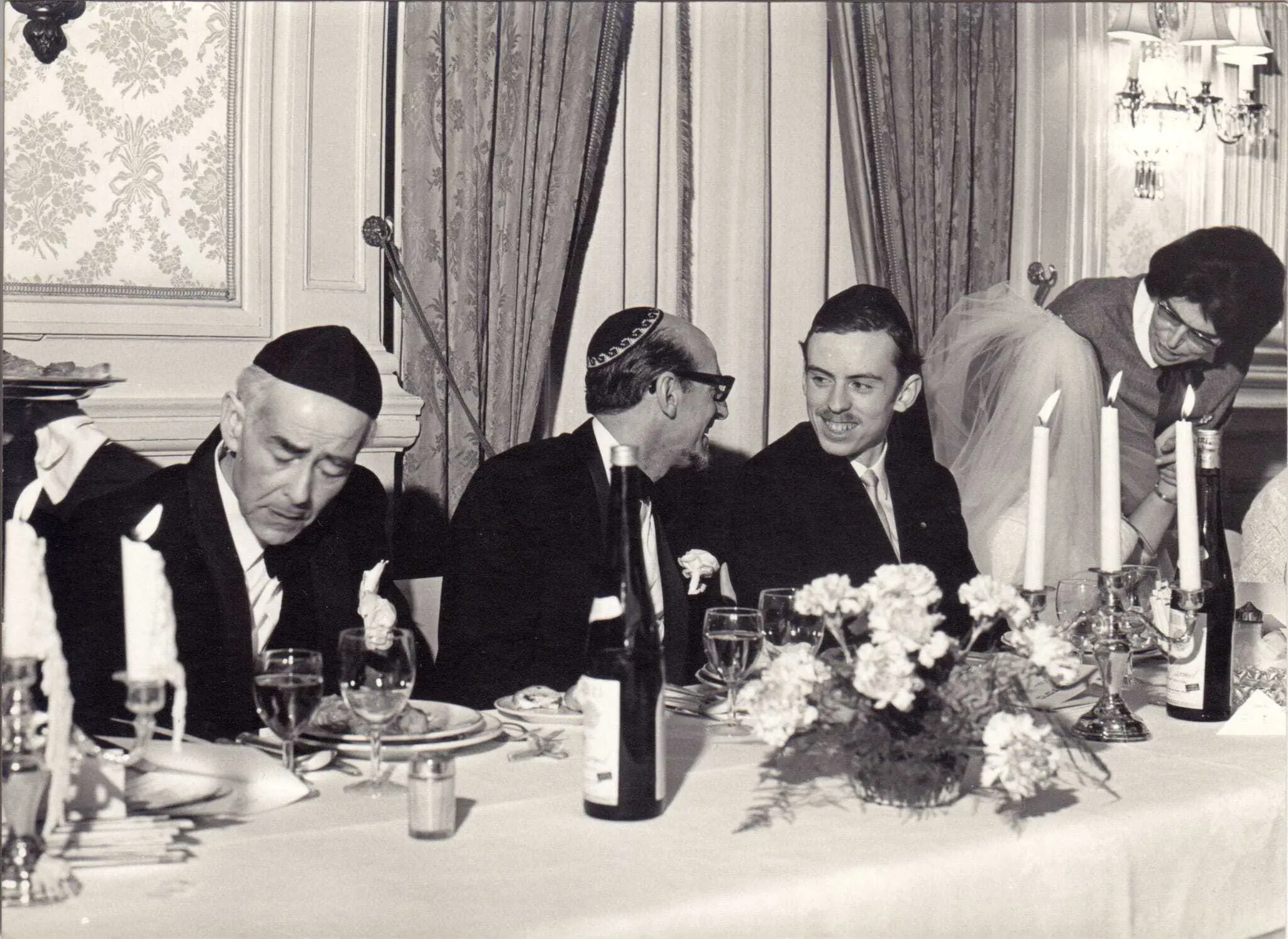
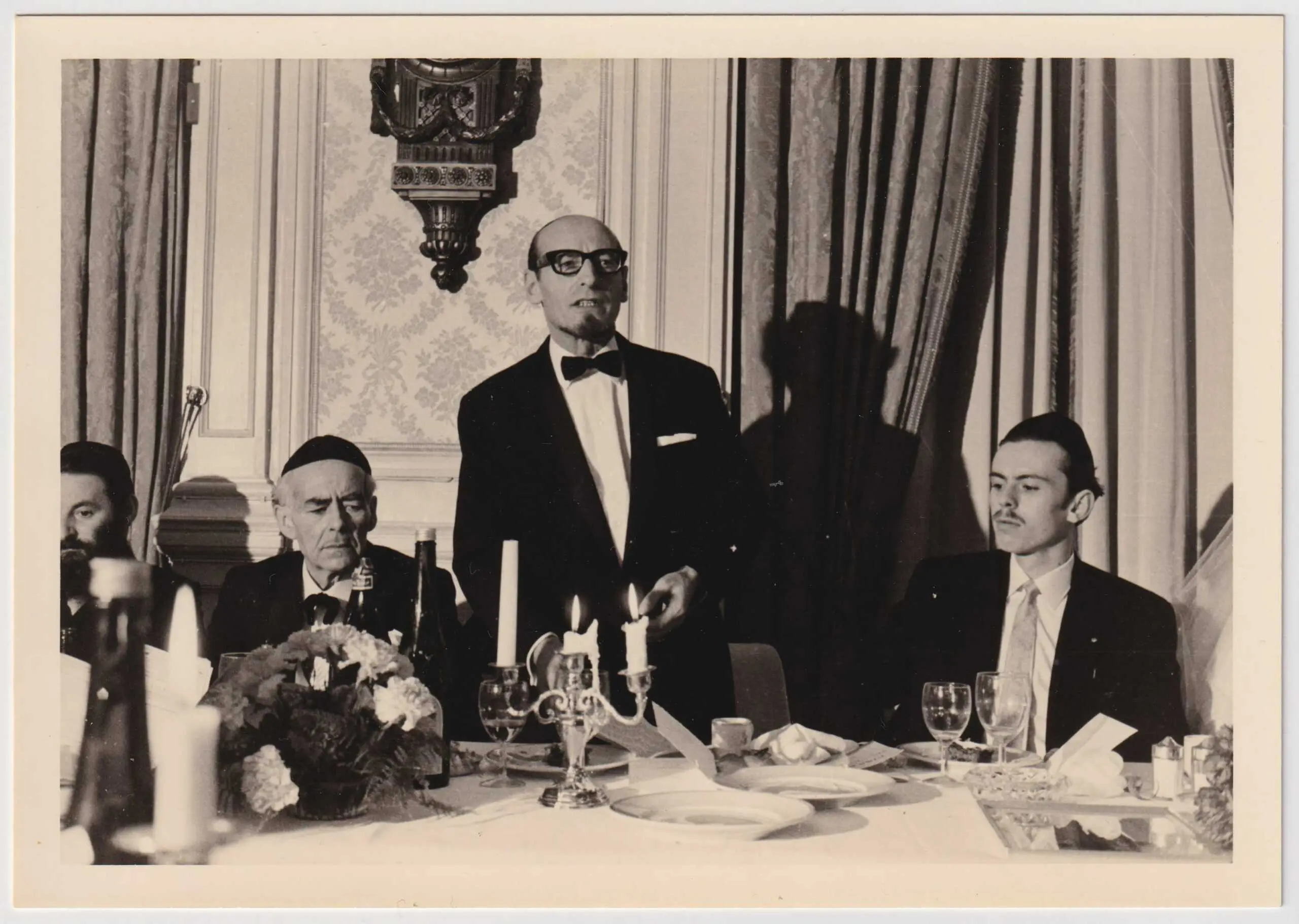
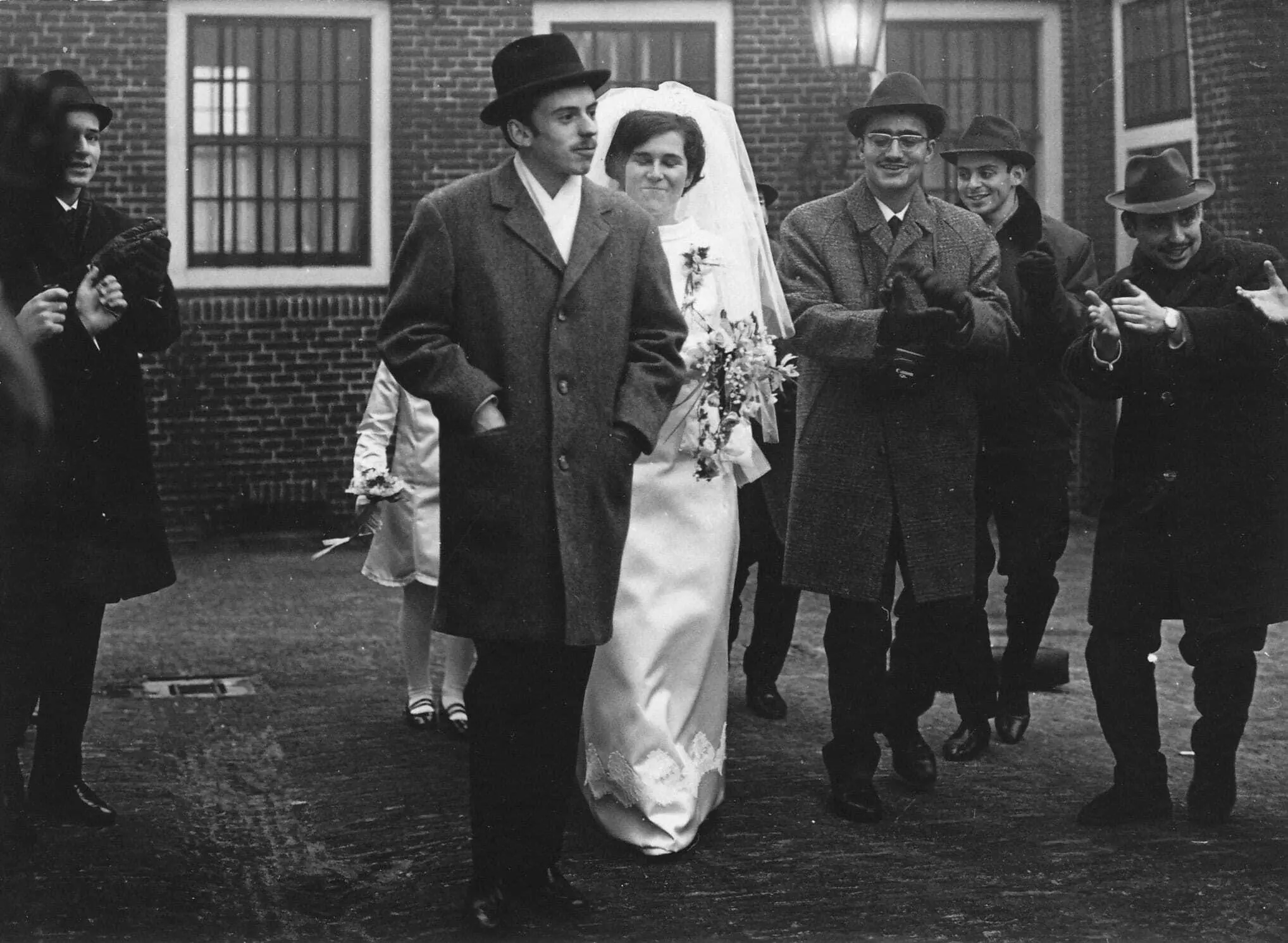
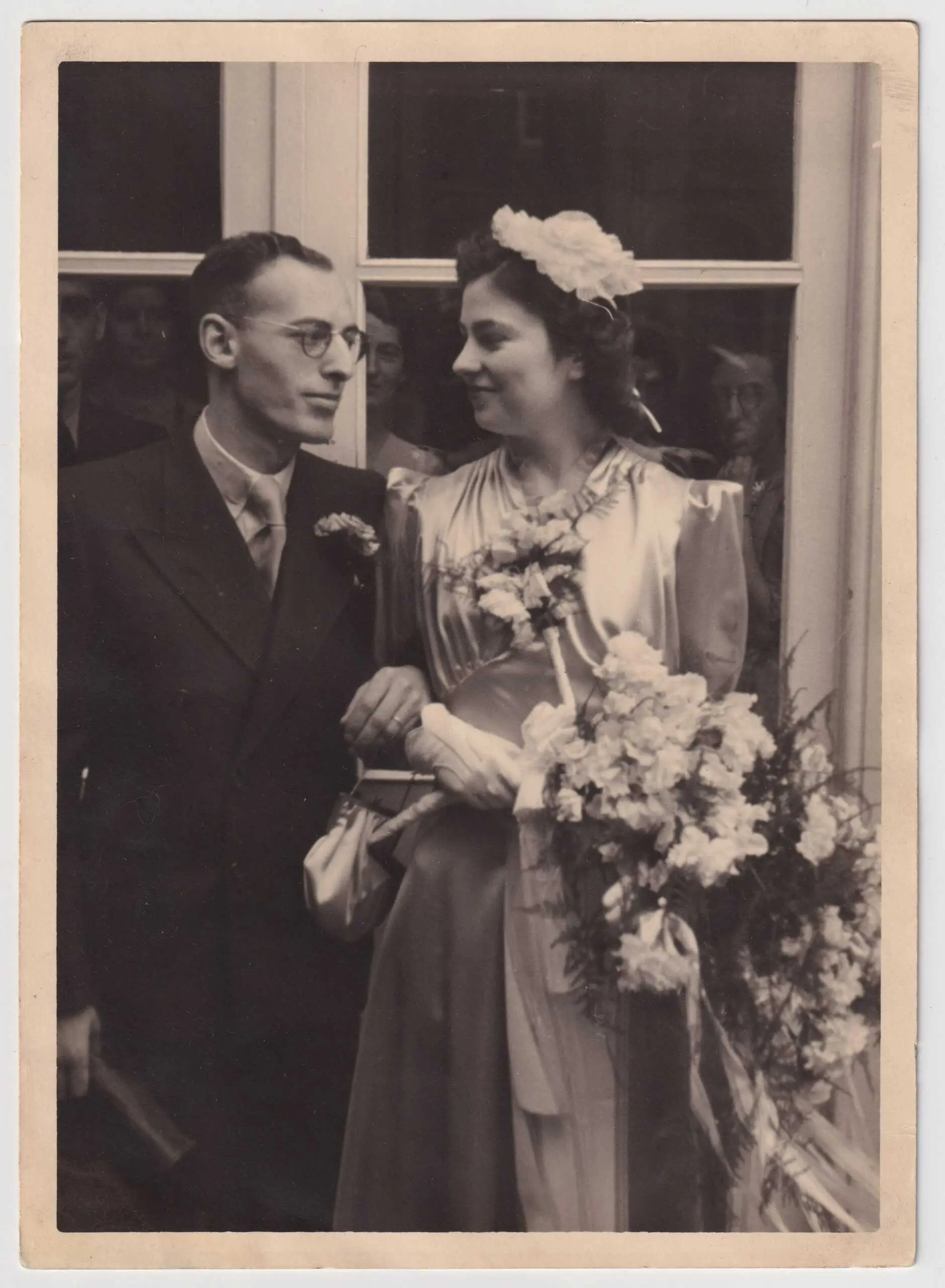
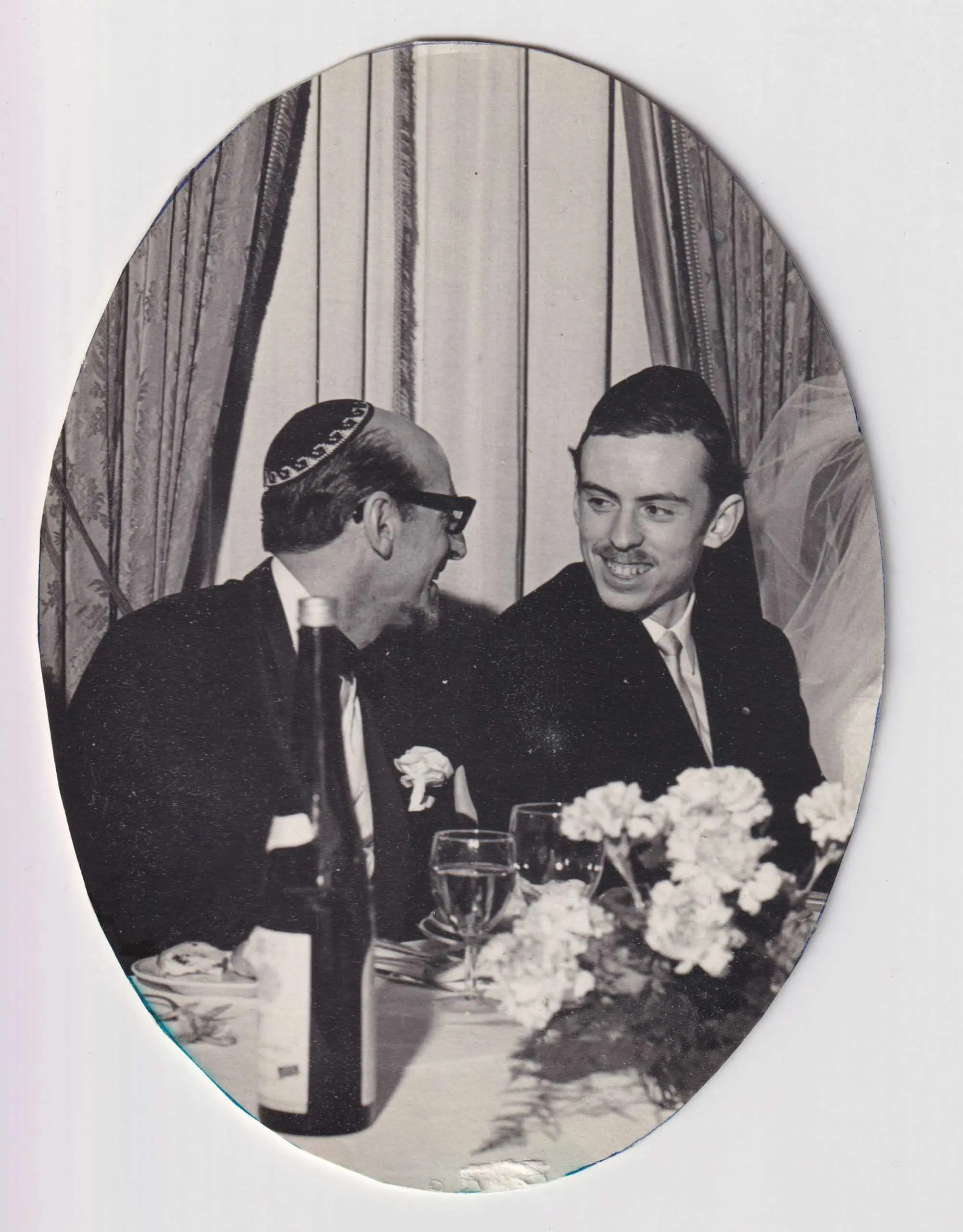
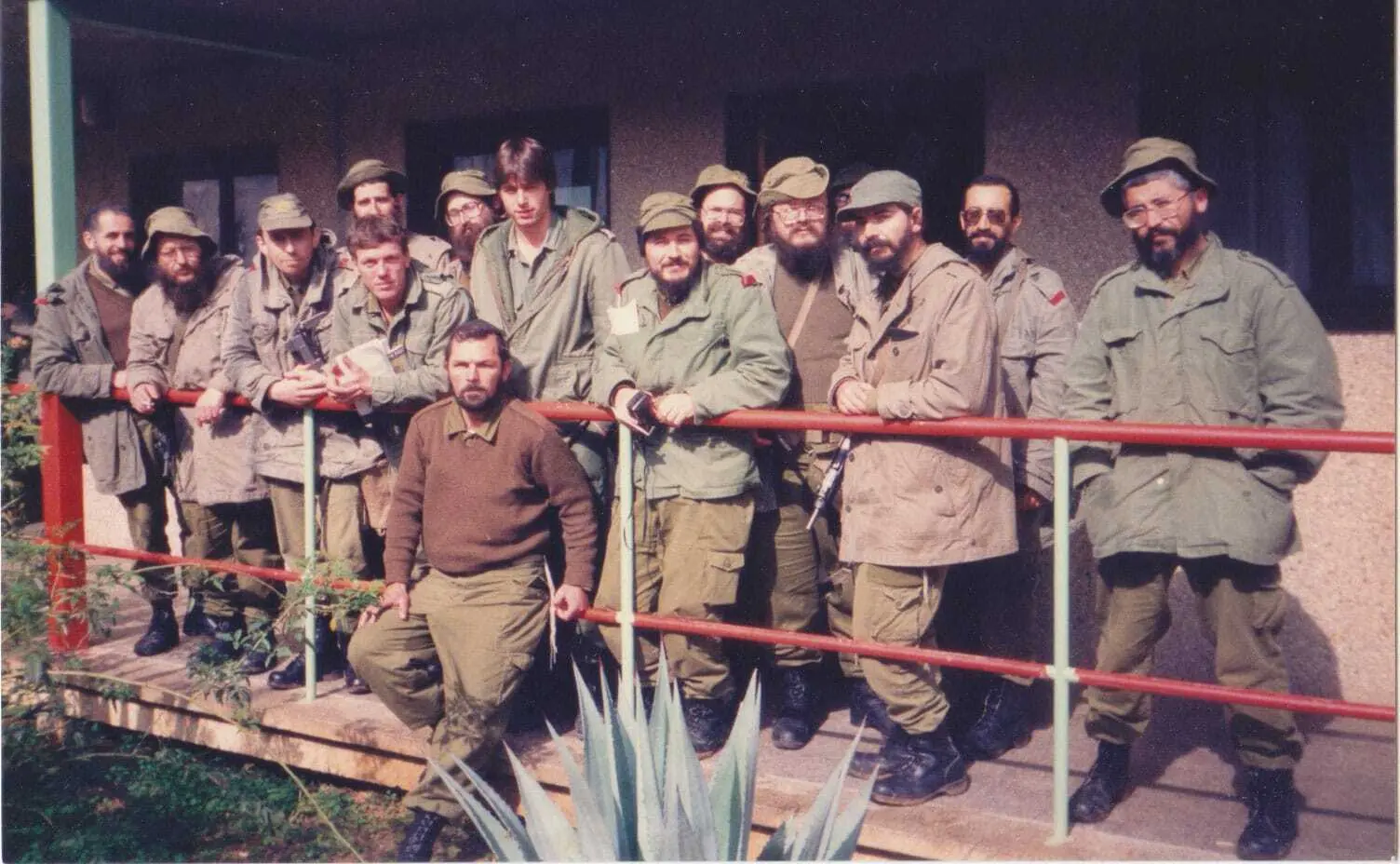
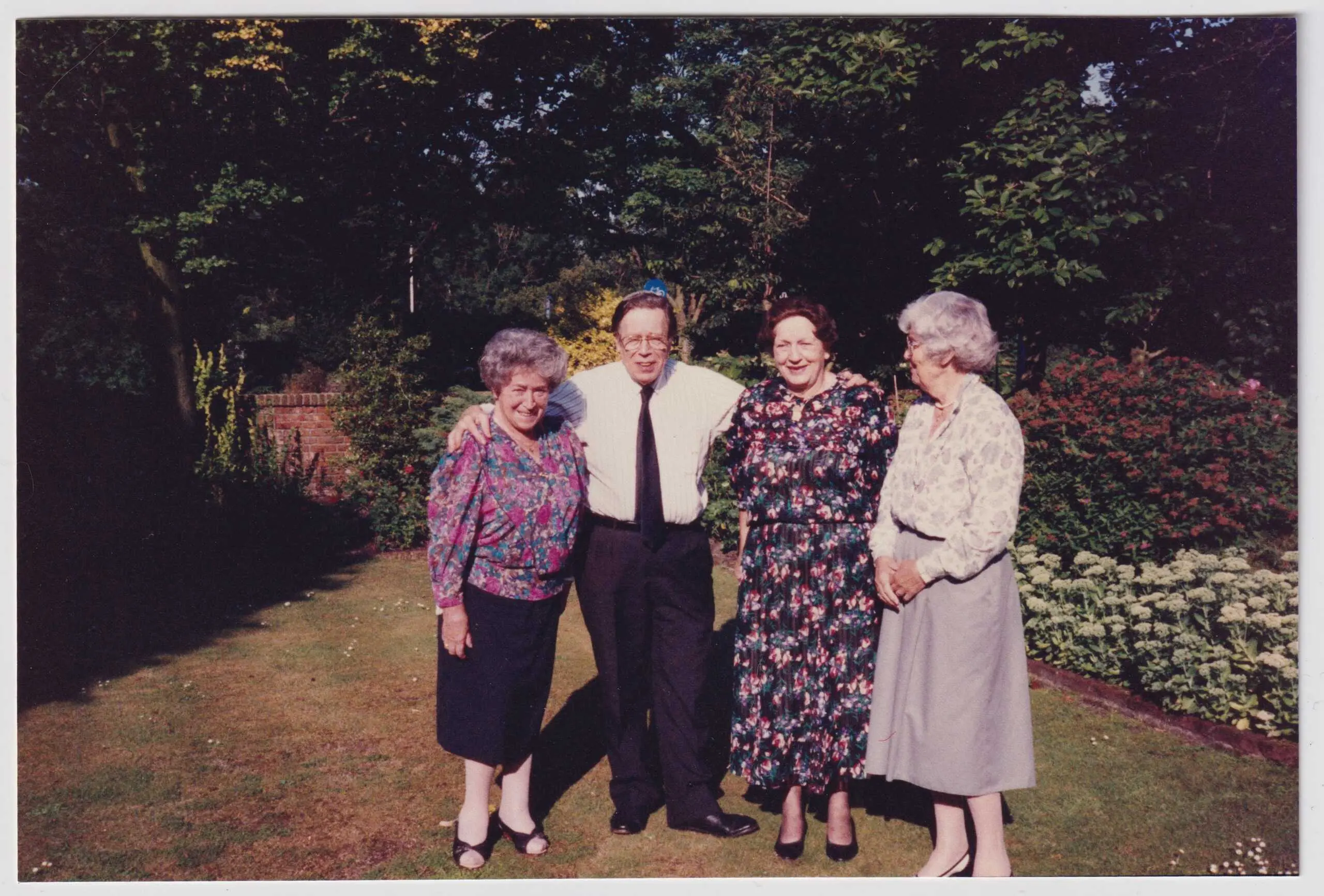
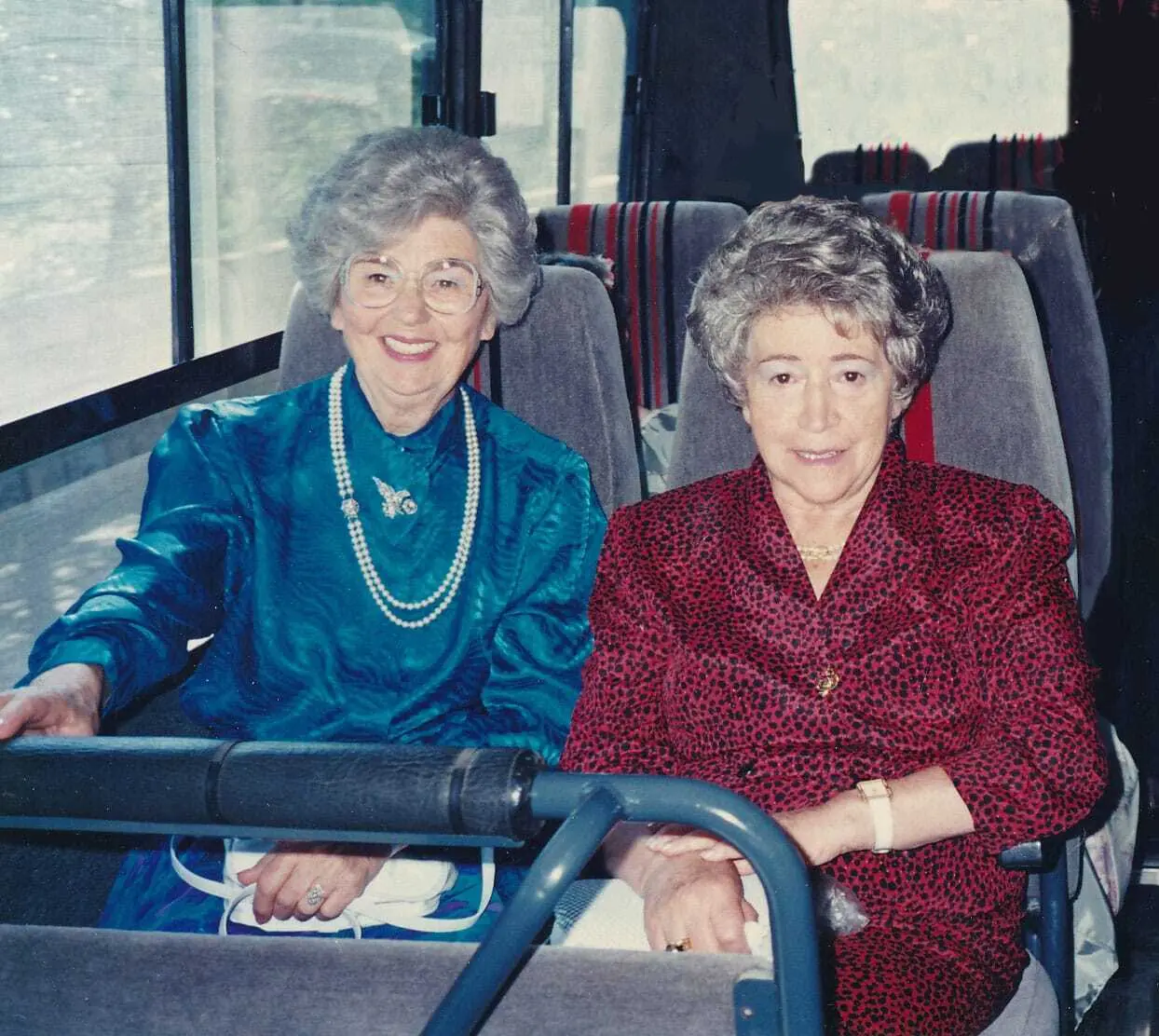
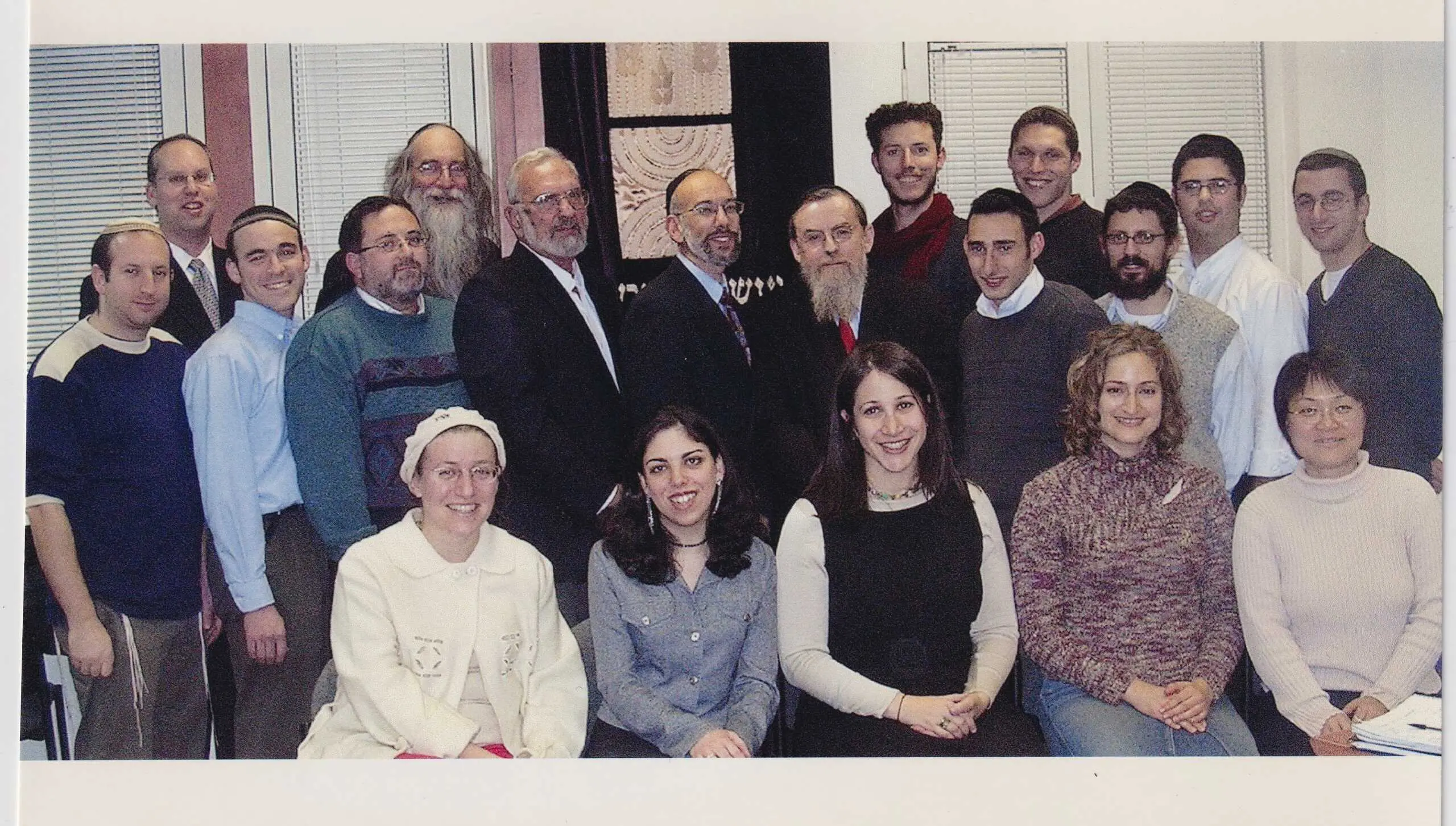
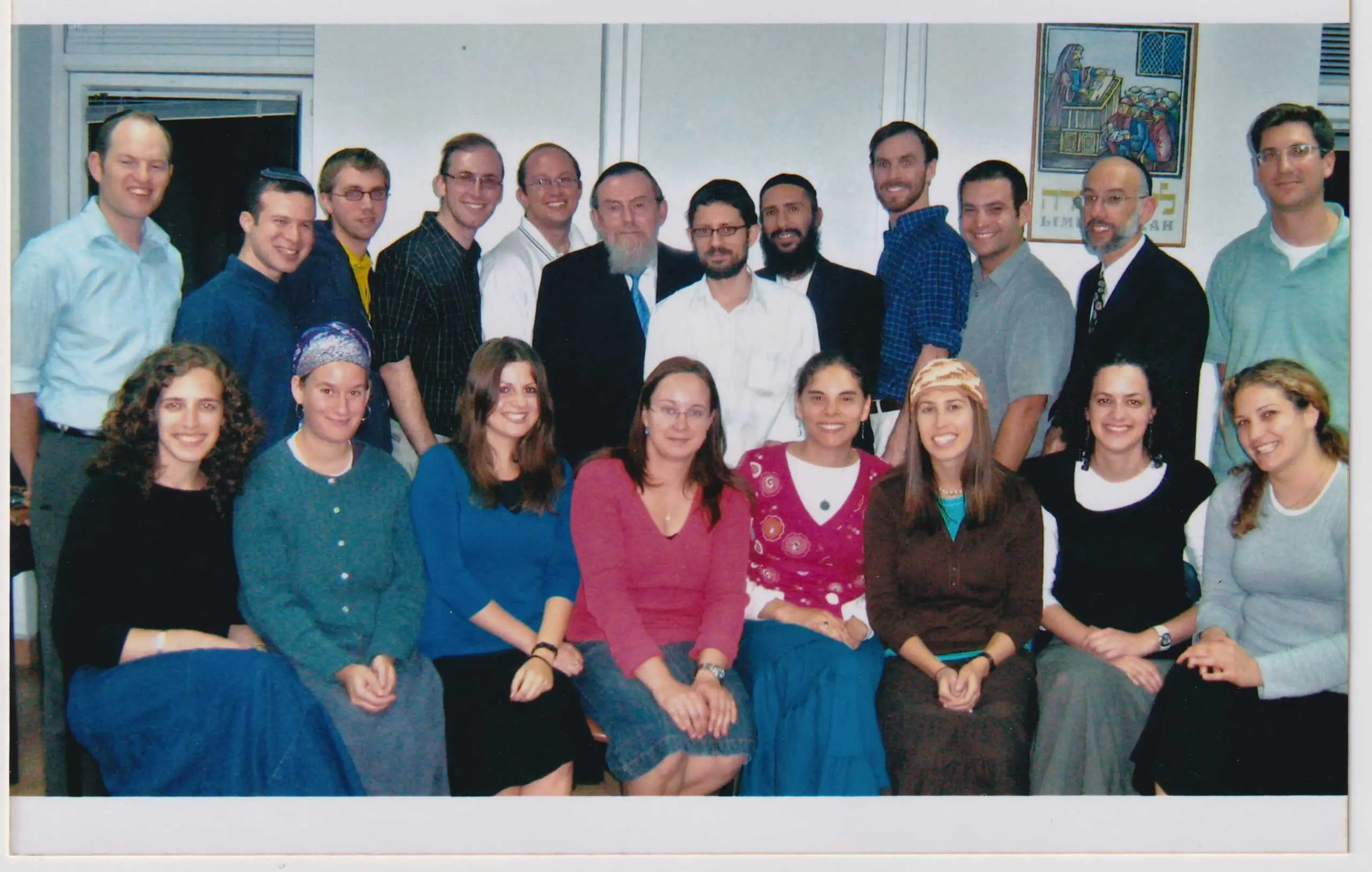
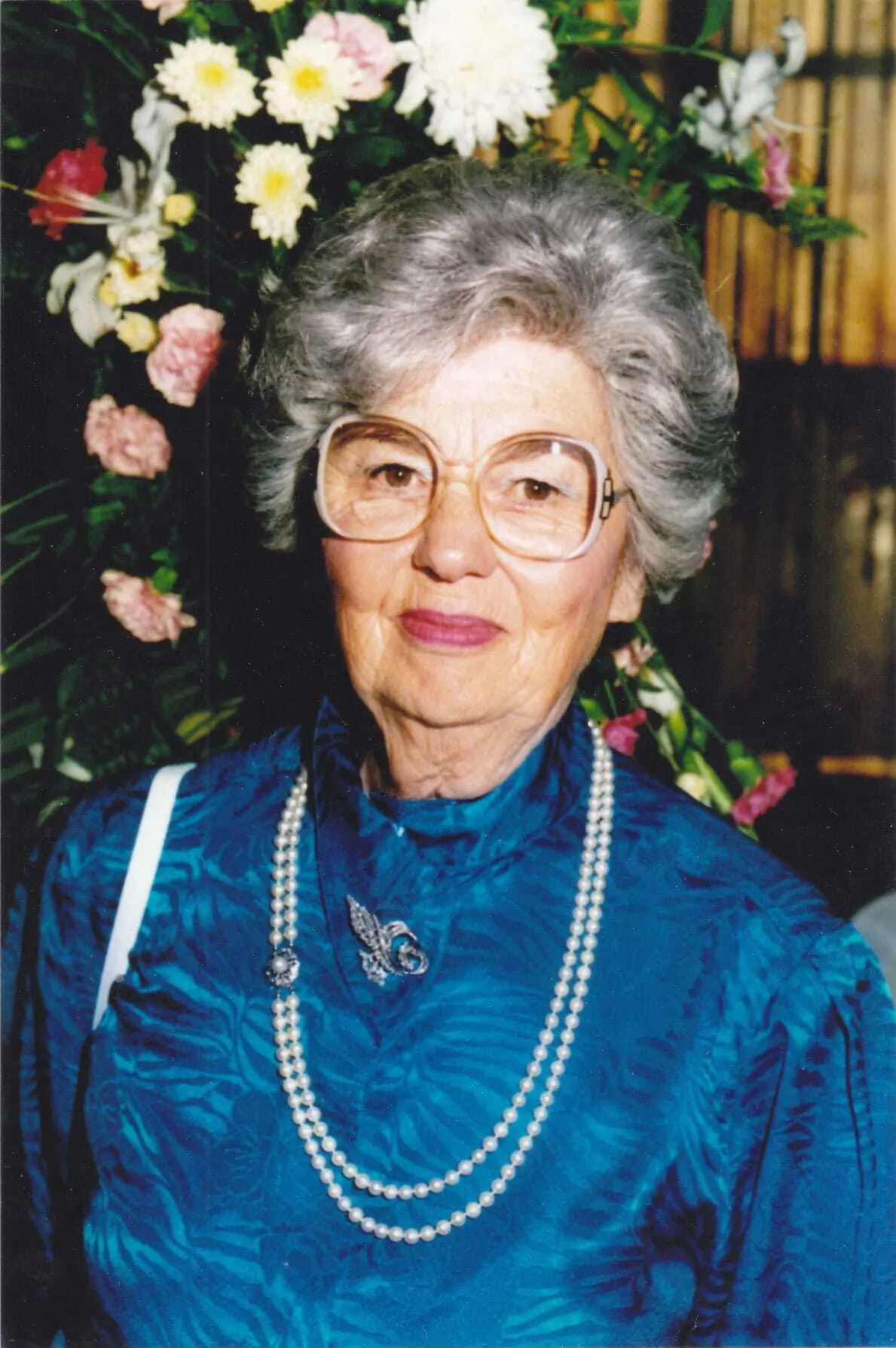
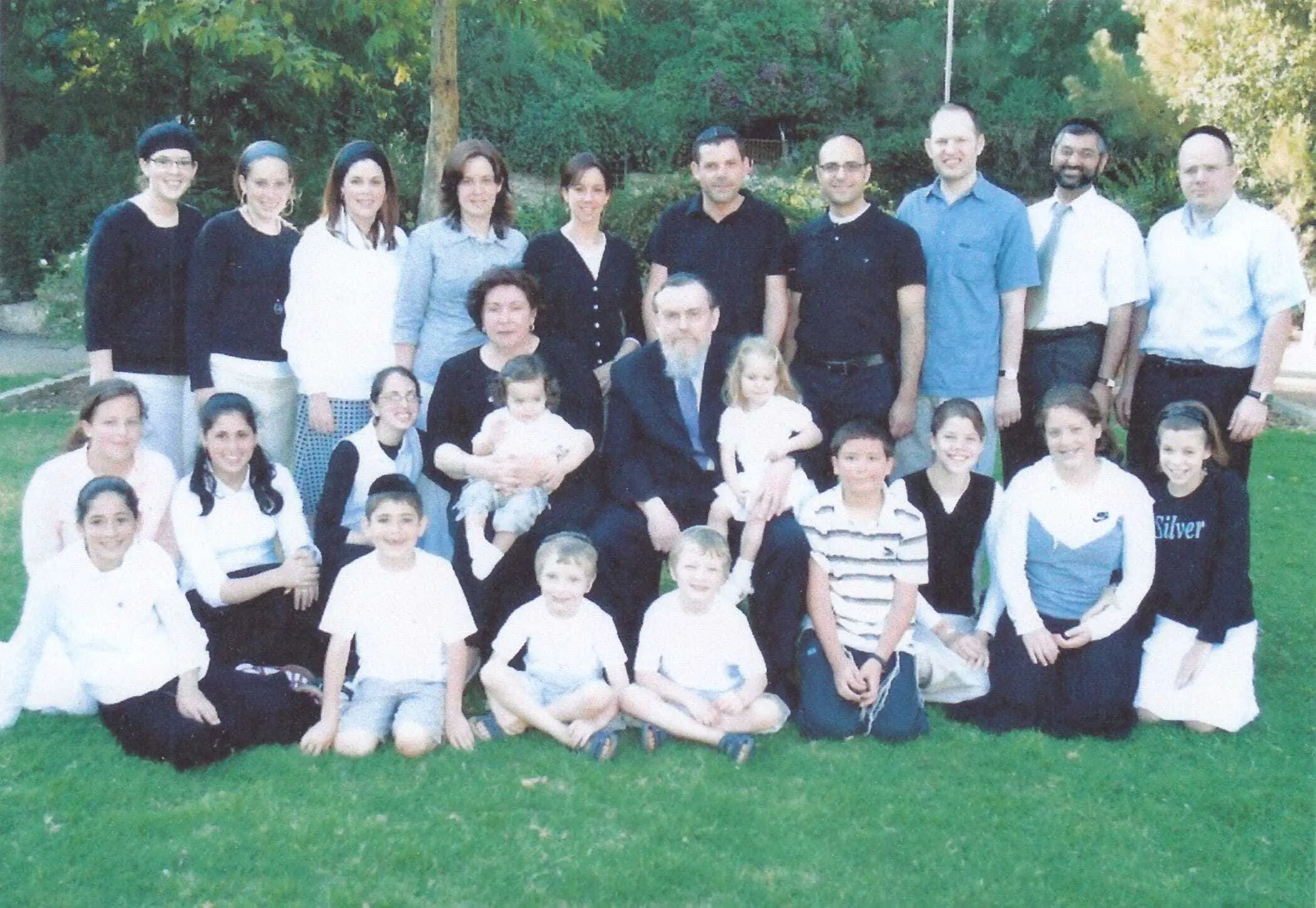
The Lopes Cardozo Family Album










Philosophical Influences
Throughout his life, Rabbi Cardozo has drawn inspiration from a diverse range of thinkers, traditions, and disciplines — weaving together philosophy, music, and Jewish thought into a singular and courageous intellectual vision.
Franz Rosenzweig
Franz Rosenzweig stands as one of the most original and daring Jewish thinkers of the modern era. Writing in early twentieth-century Germany, at a time when many Jews were drifting away from tradition, Rosenzweig sought not to defend Judaism in abstract terms, but to reawaken its living voice. At the heart of Rosenzweig’s thought lies a radical challenge to philosophy itself. In his masterpiece, The Star of Redemption, he rejects the idea that truth can be grasped as a closed system. Instead, he presents reality as an ongoing dialogue between God, humanity, and the world. Faith, for Rosenzweig, is not about certainty or doctrine, but about response: the human “Here I am” to the divine call. In an age still wrestling with doubt and identity, Rosenzweig offers not easy answers, but a language of encounter—one that continues to resonate with thinkers like Rabbi Nathan Lopes Cardozo and all who seek a faith that speaks in the present tense.
Heschel
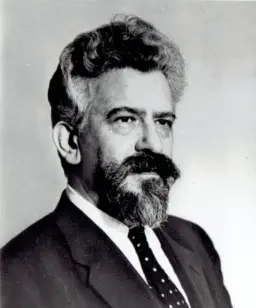
Rabbi Heschel was a descendant of preeminent rabbinic families of Europe: the family of Levi Yitzchak of Berditchev, and that of Rebbe Avrohom Yehoshua Heshl of Apt, the Apter Rebbe – Ohev Yisroel. He was the youngest of six children. In his teens he received a traditional yeshiva education, and obtained traditional semicha, rabbinical ordination at the age of 16.
Maimonides
Moses ben Maimon, known by the acronym Rambam, was one of the greatest Jewish thinkers of the Middle Ages, whose influence continues to shape Jewish law and philosophy to this day. He was born in 1138 in Córdoba, Spain, and was forced into exile with his family due to religious persecution, eventually settling in Fustat (Old Cairo), Egypt. A towering halachic authority, Rambam authored the Mishneh Torah, a monumental code that systematically organizes all of Jewish law with remarkable clarity and precision. At the same time, he was a profound philosopher, best known for his Guide for the Perplexed, in which he sought to harmonize traditional Jewish belief with Aristotelian philosophy. His work reflects a bold intellectual openness combined with deep commitment to Halacha. In addition to his scholarly achievements, Rambam served as a physician to the royal court in Egypt and was a communal leader of great stature. His legacy lies not only in his legal rulings and philosophical writings, but in his enduring vision of Judaism as both intellectually rigorous and spiritually profound—capable of engaging the widest horizons of human thought.
Rav Kook
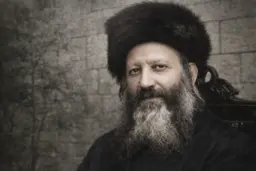
Rav Kook was one of the most visionary and influential Jewish thinkers of the modern era. At a time when many religious leaders viewed secular Zionism with suspicion, Rav Kook saw in the return to the Land of Israel—even by non-observant Jews—the stirrings of a divine redemptive process. Appointed the first Ashkenazi Chief Rabbi of the Land of Israel in 1921, Rav Kook continued to develop his far-reaching ideas. His legacy endures as a powerful and often provocative call to envision a Judaism capable of embracing both tradition and transformation.
Spinoza
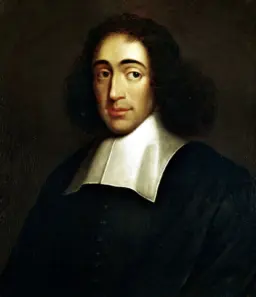
Baruch Spinoza was a Dutch philosopher of Portuguese-Jewish descent, often considered one of the great rationalists of the 17th century, alongside Descartes and Leibniz. His major work, the Ethics, presents a bold and systematic vision of reality, God, and human nature.
The Ishbitzer
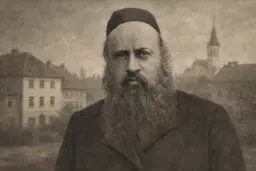
Mordechai Yosef Leiner, known as the Ishbitzer Rebbe, was a 19th-century Hasidic master and the author of the Mei HaShiloach. Born in Poland, he was a leading disciple of Menachem Mendel of Kotzk before founding his own court in the town of Ishbitz (Izbica). There, he developed a distinctive approach to Hasidic thought that emphasized radical honesty, inner struggle, and the search for God’s will within the complexities of human life. His teachings, preserved in Mei HaShiloach, are known for their bold and often controversial ideas, particularly regarding free will, sin, and divine providence. The Ishbitzer Rebbe suggested that even human failings may have a place within a larger divine plan, a view that has continued to challenge and inspire readers. His legacy was carried on by his son, Yaakov Leiner of Ishbitz-Radzyn, and remains an influential voice in Hasidic and Jewish philosophical thought.
The Kotzker Rebbe

The Kotzker Rebbe was a profoundly influential and reclusive Polish Hasidic leader known for his uncompromising pursuit of truth, sharp wit, and fiery, intellectual approach to Hasidism. He championed radical honesty, deep self-scrutiny, and rejecting shallow piety. His teachings focused on introspection rather than looking upward at heavenly mysteries. He transformed Hasidism by focusing on a small, elite group of disciples rather than the masses. His ideas spread through his followers, and he remains one of the most influential figures in the history of Hasidism.
The Lopes Cardozo Family

The Lopes Cardozo Family